Even with current testing standards, heart attacks can be overlooked, especially when symptoms are subtle or atypical. This guide explains how and why that happens, the risks involved, and what steps patients and families can take if it occurs.

Doctors Can Miss Heart Attacks, but “Missed” Covers Different Scenarios
The phrase missed heart attack refers to several different clinical scenarios that lead to the same result. Simply: a patient experiences a heart attack, but no one recognizes it at the right time.
In some cases, a clinician overlooks warning signs during the initial visit. The provider may attribute symptoms to a less serious condition and send the patient home. For instance, a woman complains of nausea and chest pain and they presume she’s experiencing reflux and send her home. In other cases, a provider recognizes that something feels wrong but delays definitive diagnosis because early tests appear normal. Sometimes doctors identify heart damage days or weeks later through imaging or follow up testing, long after the optimal treatment window passed.
A heart attack may also come to light only when advanced imaging reveals old scar tissue in the heart muscle. At that point, clinicians realize that the patient suffered a prior cardiac event that no one diagnosed at the time.
These scenarios matter because timing shapes outcomes. To wit, early recognition allows doctors to restore blood flow, limit heart muscle damage, and reduce the risk of life threatening complications. Delayed or missed diagnosis often leads to larger areas of permanent damage, higher risk of heart failure, dangerous arrhythmias, and long-term disability.
Heart Attack Symptoms That Are Easy to Dismiss

Heart attack symptoms vary widely, and some appear mild or unrelated to the heart. That variability creates room for misinterpretation.
Typical vs. Atypical Symptoms
Traditional teaching emphasizes that a heart attack occurs when the patient feels chest pressure or pain that radiates to the left arm. While many patients experience those symptoms during a cardiac event, others do not. Some feel discomfort rather than pain. Others describe tightness, burning, or fullness instead of sharp pain.
Atypical symptoms may include fatigue that feels overwhelming, pain in the jaw, neck, back, or shoulders, nausea or vomiting, dizziness, or shortness of breath without chest pain. Some people feel flu-like malaise or unexplained weakness.
These symptoms can still signal a heart attack, especially when they appear suddenly or worsen with exertion.
Symptoms More Commonly Misread
Clinicians often label certain complaints as non-cardiac. Heartburn, indigestion, acid reflux, anxiety, panic attacks, and muscle strain appear frequently in medical charts after missed heart attacks. While those conditions occur commonly, doctors must rule out cardiac causes first when symptoms overlap.
When a provider settles too quickly on a benign explanation without completing a full cardiac evaluation or without reassessing when symptoms persist, the patient could suffer serious harm.
Who’s at Higher Risk of Being Overlooked
Certain groups face higher risk of misdiagnosis. Women often report atypical symptoms and less chest pain than men. Younger patients may not fit the preconceived notion of someone at risk for heart disease. Patients with diabetes, autoimmune conditions, anxiety disorders, or gastrointestinal disease may have symptoms that overlap with their existing diagnoses.
The patient could suffer serious injury because clinicians are misdirected by demographics or past diagnoses instead of current symptoms and risk factors, and fail to detect heart attack when it’s occurring.
Where Missed Heart Attacks Tend to Occur
Missed heart attacks occur across the healthcare system, often linked to time pressure, resource limitations, and communication gaps.
Emergency Departments
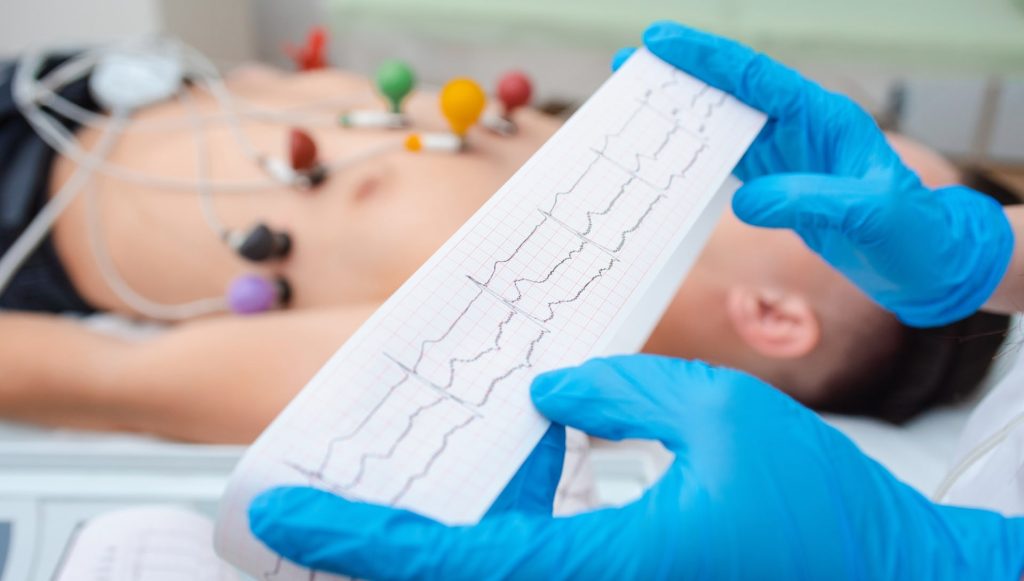
In emergency departments, clinicians must triage quickly. They see large volumes of patients with chest pain, shortness of breath, and fatigue. Providers may rely heavily on initial ECGs and early blood tests. When those results appear normal, there is immense pressure to send patients home without further treatment.
Urgent Care and Clinics
Urgent care centers and walk-in clinics often lack advanced cardiac testing. Providers may not have access to serial troponin testing or on-site imaging. When patients present with vague symptoms, clinicians may treat symptomatically and advise follow up rather than escalate care.
Telehealth or Primary Care Visits
Telehealth and primary care visits present additional challenges. Without real-time vital signs, physical exams, or ECGs, clinicians rely on patient descriptions. Subtle symptoms may sound benign over a video or phone visit, especially when patients minimize their discomfort or focus on secondary complaints.
Each setting carries its own risks, but the common thread involves incomplete evaluation and missed opportunities to reassess.
Typical Clinical Missteps That Can Mask a Heart Attack
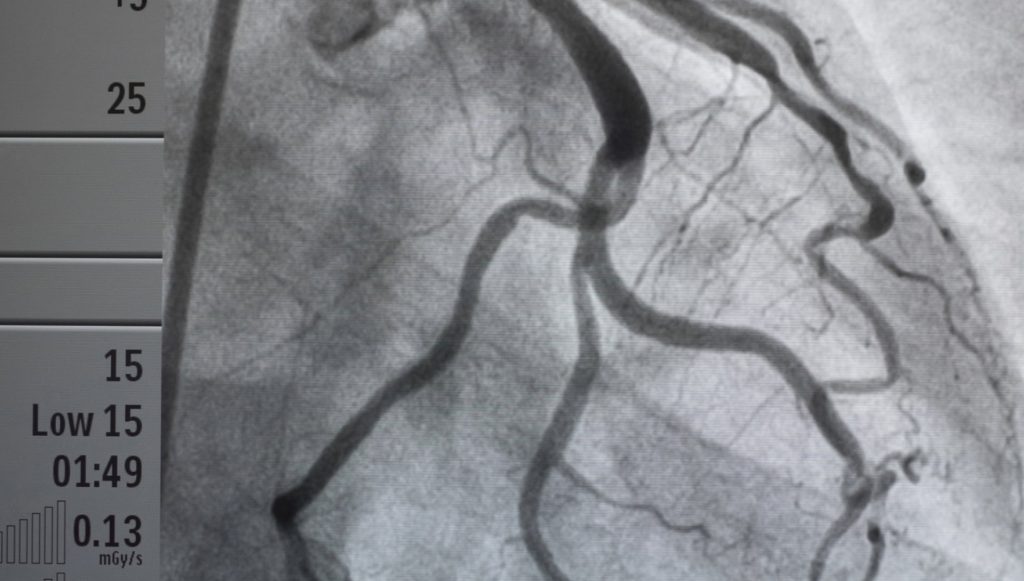
Missed heart attacks usually develop through a sequence of decisions that collectively lead to harm. Understanding these clinical missteps helps explain how trained professionals can overlook a life-threatening condition.
Assigning Symptoms to Non-Cardiac Conditions Prematurely
When a provider hears complaints that resemble indigestion, anxiety, muscle strain, or respiratory illness, they may settle on that explanation without fully ruling out cardiac causes. This process, known as diagnostic anchoring, narrows clinical thinking prematurely. Once a provider commits to a diagnosis, subsequent findings may get interpreted through that lens rather than reconsidered objectively.
Incomplete History Taking or Ignoring Risk Factors
Heart attack diagnosis depends heavily on understanding symptom onset, progression, triggers, and relief. Providers may fail to ask whether pain worsens with exertion, improves with rest, or radiates to other areas. They may not explore associated symptoms such as sweating, nausea, dizziness, or shortness of breath. Missing these details weakens the clinical picture and reduces suspicion. And if a doctor ignores smoking history, high blood pressure, diabetes, obesity, family history of heart disease, and prior cardiac symptoms, they put the patient at serious risk.
Failing to Order or Correctly Interpret Serial Testing
Providers may order only a single ECG or one set of cardiac enzymes rather than serial testing. They may fail to repeat tests when symptoms persist or evolve. In some cases, clinicians misinterpret borderline or evolving results as normal rather than concerning.
Tests Are Crucial, But Not Infallible

Diagnostic testing forms the backbone of heart attack evaluation, but no test offers absolute certainty at all times. Misunderstanding test limitations contributes significantly to missed diagnoses.
ECGs capture electrical activity during a brief window. Heart attacks evolve over time, and early changes may not appear immediately. Some heart attacks produce subtle or atypical ECG findings that require experience and careful comparison with prior tracings. Others affect regions of the heart that standard leads do not fully capture.
A normal ECG often provides reassurance to both patients and providers, but it should not end evaluation when symptoms persist or risk factors exist. Standard care frequently calls for repeat ECGs over several hours to detect evolving changes.
Blood tests such as troponin measure heart muscle injury. Troponin levels may remain normal during the first hours after symptom onset. Providers must repeat testing to detect rising levels that confirm injury. Single measurements can falsely reassure providers and patients when taken too early.
Imaging studies, such as echocardiograms may reveal wall motion abnormalities, but these changes do not always appear immediately. Cardiac MRI can detect scar tissue long after the event, confirming that a heart attack occurred without helping prevent damage.
Providers who treat tests as definitive answers rather than tools within a broader evaluation are likely to misdiagnose. Testing should not replace clinical reasoning (just as clinical reasoning should not replace testing).
When a Heart Attack Does Not Trigger Obvious Alarms
Not all heart attacks announce themselves as they do in the movie (picture someone in a moment of stress clutching his chest, falling to the ground, and uttering “I think I’m having a heart attack…”). Rather, some heart attacks unfold quietly, producing symptoms that patients and clinicians underestimate or overlook.
Silent heart attacks occur when patients experience little or no noticeable discomfort. These events often affect people with diabetes or older adults who don’t experience or perceive pain the way most people do. Patients may feel fatigued, weak, or mildly short of breath without recognizing the seriousness.
Other heart attacks produce symptoms that appear nonspecific. Mild chest pressure, nausea, back pain, or jaw discomfort may come and go. Patients may attribute these symptoms to stress, aging, or minor illness. When they seek care, clinicians may reach the same conclusions.
Some patients present repeatedly with vague complaints that do not fit classic patterns. Without careful reassessment, providers may treat each visit as an isolated event rather than part of an evolving cardiac process.
These subtle events matter because they still damage heart muscle. Scar tissue reduces pumping efficiency and increases risk of heart failure and dangerous arrhythmias. Patients who experience unrecognized heart attacks often face higher risk of future events because underlying disease remains untreated.
In summary, the absence of dramatic symptoms does not mean there is an absence of danger.
What Happens When a Heart Attack Is Missed
A missed heart attack could alter the trajectory of a patient’s health, daily life, finances, and family relationships.
Health Outcomes
From a medical standpoint, missed diagnosis often means larger areas of permanent heart damage. Early treatment restores blood flow and limits injury. Delayed treatment allows damage to spread. Patients may develop chronic heart failure, reduced exercise tolerance, and dependence on lifelong medication.
Complications may emerge months or years later. Arrhythmias, blood clots, and recurrent heart attacks occur more frequently in patients with prior untreated damage. These risks require ongoing monitoring and intervention.
Life Disruption
Daily living can be significantly affected by missed heart attacks. Patients may struggle with fatigue, breathlessness, and fear of exertion. Regular activities like mowing the lawn or grocery shopping may become difficult or impossible. Someone whose job is more physical in nature can find themself unable to perform their job adequately. Missed heart attacks often cause anxiety, depression, or anger and patients may lose trust in the healthcare system.
Financial and Family Impact
Lastly, as medical bills accumulate and professional income may drop, families may face financial stress. Family relationships may suffer, especially where one family member has to engage in more of a caregiving role.
Practical Next Steps When Symptoms Persist After Discharge
Patients should trust their instincts. Seeking help does not mean overreacting. It reflects appropriate concern.
Patients can ask specific questions about testing. Which tests did providers perform? What conditions did they rule out? Did testing occur more than once? Understanding what clinicians evaluated helps guide next steps.
Patients can request visit notes, test results, discharge summaries, and imaging reports. Patients should try to stay organized: keeping these records in one place supports both medical follow up and any future legal review.
When Missed Diagnosis Becomes a Legal Claim
Not every missed heart attack is the result of medical negligence. Medicine involves uncertainty. The law focuses on whether a provider acted reasonably under the circumstances.
Standard of care refers to what a reasonably careful provider would do in a similar situation. It does not require perfection. It requires appropriate evaluation, testing, follow up, and judgment based on available information.
To bring a claim, a patient must show that a provider owed a duty of care to the patient; failed to meet the professional standard; and by not meeting that standard, caused the patient to suffer harm. In heart attack cases, for instance, if the patient’s lawyer shows that the doctor failed to diagnose and treat the heart attack in a timely manner, contributing to the patient’s injuries, the lawyer has likely proven medical malpractice.
Examples of medically negligent conduct include: (a) failure to order serial testing; (b) ignoring risk factors; (c) dismissing symptoms without adequate evaluation; and (d) discharging patients prematurely.
Time Limits and Legal Deadlines
Time limits play a critical role in heart attack misdiagnosis cases. Even when medical negligence appears clear, missing a legal deadline can prevent a patient or family from ever presenting the case in court. Understanding how these deadlines work helps protect legal rights and encourages timely action.
Medical malpractice law imposes strict time requirements to encourage prompt resolution of claims and to ensure that evidence remains reliable. Over time, medical records become harder to obtain, memories fade, and providers move or retire. Courts enforce deadlines strictly, even in cases involving serious injury or death.
In heart attack misdiagnosis cases, delays often occur because patients do not realize what happened right away. Many people trust their doctors and assume symptoms stem from unavoidable disease progression. Others only learn about prior heart damage months or years later through imaging or specialist evaluation. These delays create legal complexity but do not eliminate the need to act within defined time frames.
Statutes of Limitation in Pennsylvania
Pennsylvania law sets a general statute of limitation for medical malpractice claims. This statute limits how long a patient has to file a lawsuit after an injury occurs. In delayed diagnosis cases, courts often focus on when the patient knew or reasonably should have known that medical error caused harm.
This concept matters greatly in missed heart attack cases. A patient may experience symptoms, receive care, and later learn that a heart attack occurred during that earlier visit. The clock may not start at the moment of the medical encounter. Instead, it may begin when the patient discovers or should have discovered the connection between their symptoms, medical care, and resulting harm.
Determining this timing requires careful analysis of medical records, follow up visits, test results, and patient understanding. Courts examine what information the patient received, what explanations doctors provided, and whether warning signs existed that should have prompted earlier investigation.
Certificate of Merit Requirements
Pennsylvania requires a certificate of merit in medical malpractice cases. This document confirms that a qualified medical expert has reviewed the case and supports the claim that the provider failed to meet the standard of care.
The Certificate of Merit requirement exists to discourage unsupported claims, but it also creates a procedural hurdle that patients must meet early in the process. Obtaining expert review takes time. Attorneys must gather records, identify appropriate specialists, and secure written opinions.
In heart attack misdiagnosis cases, experts often include cardiologists, emergency medicine physicians, or internal medicine specialists. They evaluate whether providers should have recognized warning signs, ordered additional testing, or altered treatment decisions.
Failure to file a proper certificate of merit can result in dismissal of the case, regardless of its underlying strength. For that reason, time is of the essence in these cases and you should contact an attorney as soon as you learn of your missed heart attack.
Types of Damages in Heart Attack Misdiagnosis Cases
Each missed heart attack case looks different, but courts and insurers generally evaluate damages across several core categories. Understanding these categories helps patients and families grasp what may be at stake.
Medical Expenses, Past and Anticipated
When diagnosis and treatment occur late, patients frequently require more intensive and prolonged care than they would have with timely intervention.
Past medical expenses may include emergency treatment, hospitalization, cardiac catheterization, stent placement, bypass surgery, intensive care stays, and follow up appointments with cardiologists and specialists. Many patients also require extensive diagnostic testing after the fact to determine the extent of heart damage. These costs add up quickly, even for insured patients.
Anticipated future medical expenses often exceed initial costs. Extensive heart muscle damage may require the patient to: (a) be prescribed lifelong medications; (b) be subjected to ongoing cardiac monitoring; (c) have devices defibrillators or pacemakers implanted into their bodies; (d) be hospitalized repeatedly for a variety of possible complications; and (e) be enrolled in a cardiac rehabilitation program, which, while essential for recovery, adds significant additional expense.
Some patients develop heart failure or chronic arrhythmias that require continuous care. Others need future surgeries or interventions that would not have been necessary if doctors had diagnosed the heart attack earlier. These anticipated costs play a critical role in calculating damages because they represent financial burdens the patient will carry indefinitely.
Lost Income and Reduced Earning Capacity
A missed heart attack frequently disrupts a person’s ability to work. Some patients miss weeks or months of employment during recovery. Patients may no longer qualify for physically demanding jobs or high stress roles. Heart damage can permanently limit stamina, concentration, and physical ability. Even desk jobs can become difficult when fatigue, shortness of breath, or medication side effects interfere with performance. Some patients can never return to their previous job or must reduce hours, responsibilities, or physical demands.
When they can no longer work or when they can no longer work to the same extent or in the same capacity, patients may lose income such as wages, salary, bonuses, commissions, and benefits. For self-employed individuals or small business owners, losses may include missed contracts or long term damage to business viability.
In younger patients, reduced earning capacity can span decades. Vocational experts often evaluate career trajectory, education, and expected advancement to estimate what the patient likely would have earned without the injury. These calculations reflect not only lost income but also lost opportunity.
Pain, Suffering, and Quality of Life Impacts
Pain and suffering damages address the human cost of a missed heart attack. This category of damages includes physical pain, such as chest discomfort, pain related to surgery, chronic fatigue, shortness of breath, and limitations on movement or exertion.
Pain and suffering also includes emotional damages. Patients often experience anxiety, depression, panic, and post-traumatic stress symptoms. They may feel distrustful of medical providers, especially when they have felt dismissed or misled during their treatment. The knowledge that earlier diagnosis might have prevented permanent damage can intensify their emotional distress. And many patients have trouble fully enjoying life’s moments because they’re always fearful that they’ll suffer another traumatic cardiac event.
Quality of life losses affect relationships, hobbies, and independence. Patients may give up activities they once enjoyed, such as exercise, travel, or physically active hobbies. Family dynamics can be negatively affected as spouses or children have to take on caregiving roles, which can also lead to loss of intimacy. It’s also common for patients to withdraw from their previously active life and disengage from their friends, causing social isolation and further unhappiness.
Wrongful Death Damages Where Relevant
In the most tragic cases, a missed heart attack leads to death. Wrongful death claims aim to compensate surviving family members for losses resulting from preventable death.
These damages may include funeral and burial expenses, loss of financial support the deceased would have provided, and loss of services such as childcare or household contributions. Families may also seek compensation to account for loss of companionship, guidance, and emotional support.
In addition to wrongful death claims, estates may bring survival actions for the pain and suffering the deceased experienced before death. These claims recognize that the individual endured harm even if they did not survive long after diagnosis.
Wrongful death cases carry enormous emotional weight. They also reflect the reality that timely diagnosis and treatment often save lives. When providers miss clear warning signs, the consequences extend far beyond the patient to everyone who depended on them.
Common Questions People Ask After a Suspicious Visit
Can an ECG Miss a Heart Attack?
Yes, an ECG can miss a heart attack, especially in the early stages or when the heart attack does not follow classic patterns. Many patients believe that an ECG provides a definitive answer, but the test has important limitations that both patients and clinicians must understand.
An ECG records the electrical activity of the heart at a single moment in time. A heart attack, however, represents a process rather than a single instant. Blockage of blood flow may begin gradually, worsen over hours, or affect parts of the heart that do not produce obvious electrical changes right away. If the ECG occurs early in that process, it may appear normal or only mildly abnormal.
Some heart attacks involve areas of the heart that standard ECG leads do not capture well. Posterior or lateral heart attacks, for example, may not produce the classic changes that clinicians learn to recognize quickly. Subtle changes can also blend into baseline abnormalities, especially in patients with prior heart disease, high blood pressure, or conduction issues.
ECGs also require accurate interpretation. Even when abnormalities appear, they may look nonspecific or borderline. A rushed or inexperienced reader may not recognize their significance, particularly if the patient does not present with textbook chest pain.
For these reasons, standard care often requires serial ECGs taken over time, not just one tracing. A single normal ECG does not rule out a heart attack. Clinical judgment, repeat testing, and correlation with symptoms and risk factors remain essential.
When providers rely too heavily on one normal ECG and discharge a patient without continued observation or follow up testing, the risk of a missed heart attack increases significantly.
Why Do Women’s Symptoms Get Misread?
Women experience heart attacks at rates similar to men, but healthcare systems still struggle to recognize how heart disease presents in women. This problem stems from outdated assumptions, research gaps, and persistent bias in symptom interpretation.
Historically, medical research focused heavily on male patients. As a result, classic descriptions of heart attack symptoms reflect male patterns more than female ones. Women more often report fatigue, shortness of breath, nausea, jaw pain, back pain, or generalized discomfort rather than severe chest pain. These symptoms still indicate cardiac distress, but clinicians may not immediately associate them with a heart attack.
Providers may attribute these symptoms to anxiety, stress, menstruation, gastrointestinal illness, or musculoskeletal problems, especially in younger women.
Studies consistently show that women experience longer delays to diagnosis and treatment and higher rates of missed or delayed heart attack diagnosis. These delays contribute to worse outcomes and higher mortality.
Recognizing these disparities requires intentional effort. Providers must listen carefully, assess risk factors, and avoid dismissing symptoms based on age, gender, or appearance. When that does not happen, misdiagnosis becomes more likely.
What’s the Difference Between Silent and Misdiagnosed?
A silent heart attack occurs when the patient does not recognize symptoms as serious or cardiac in nature. Symptoms may be mild, vague, or absent altogether. The patient may feel tired, slightly unwell, or short of breath but never seek care. Clinicians later discover evidence of prior heart damage through imaging or routine testing.
A misdiagnosed heart attack occurs when the patient does seek care and reports symptoms, but clinicians fail to identify the heart attack at that time. The provider may attribute symptoms to another condition, order incomplete testing, or discharge the patient prematurely. The heart attack happens, but the healthcare system misses it.
What Records Should I Request?
Patients have the right to access their medical records, and requesting them early can prevent delays and lost information.
Patients should request emergency department records, urgent care notes, primary care visit notes, and discharge summaries related to the event. These documents show what symptoms were reported, what providers documented, and how decisions were made.
Patients should obtain copies of ECGs, lab reports including troponin levels, imaging studies, and monitoring records. Serial test results often reveal trends that a single report may obscure.
Other records patients should seek include medication records and prescriptions, which show how providers treated symptoms and whether they considered cardiac causes. And if hospitalization occurred later, patients should request those records as well, including cardiology consult notes and imaging reports that identify prior heart damage.
Organizing records chronologically helps both doctors and attorneys understand what happened and when. Patients should keep copies for themselves and avoid relying solely on portals that may limit access later.
Is Atypical Presentation Enough for a Case?
Atypical presentation alone does not automatically create a legal claim, but it does not eliminate one either. The key question involves how a reasonably careful provider should have responded to the symptoms presented.
Heart attacks do not always follow classic patterns. Standard of care requires clinicians to consider cardiac causes when symptoms align with risk factors and plausible cardiac explanations, even if symptoms appear atypical.
A case may exist if a provider dismissed symptoms without appropriate evaluation, failed to order necessary testing, ignored risk factors, or failed to reassess when symptoms persisted. The focus rests on decision making, not on whether symptoms matched a textbook description.
Expert reviewers examine whether another provider in the same situation would have taken additional steps. They also assess whether earlier diagnosis would likely have reduced harm. Patients do not need to prove that their symptoms were obvious. They need to show that providers failed to respond reasonably to the information available at the time.
You Deserve Clarity, Medically and Legally
When medical care falls short, patients deserve answers. Patients have the right to understand what happened, why it happened, and whether it should have unfolded differently had the providers exercised proper care.
If you or a loved one suffered a missed heart attack, contact the medical malpractice specialists at VSCP LAW. You would not have to pay them anything to pursue your case and even the initial consultation is completely free of charge. They will evaluate what happened, determine if the medical providers were negligent, and help you determine how best to proceed.