
When a family welcomes a new baby into the world, they expect their fair share of dirty diapers and mounting piles of laundry, as well as the joy and the comforting reassurance that everyone is healthy. Most families do not expect that their child will suffer a birth injury that causes cerebral palsy. Cerebral palsy is a lifelong condition that affects movement, coordination, and muscle tone, and when it results from preventable medical errors or complications that should have been managed properly, parents deserve answers and support. Families may face medical decisions, therapy appointments, financial pressures, and a long list of questions about what happened and what the future might look like. This article will provide a clear and compassionate explanation of how cerebral palsy can develop from birth injuries, how medical negligence can cause birth injuries, how to recognize cerebral palsy, what families should expect regarding prognosis and long-term care, why certain events during labor and delivery can lead to brain damage, and what steps families can take to protect their rights.

Families reading this may wonder when they should contact a legal professional. Understanding the difference between unavoidable complications and preventable medical negligence is essential. If a hospital failed to monitor fetal distress or delayed an emergency cesarean section, for example, those decisions may have allowed brain damage to occur. This article explains what evidence is typically required to investigate a birth injury case and how compensation can help families secure lifelong care, therapy, and support for their child. Ultimately, this article aims to educate loved ones of victims of medical negligence so that families can move forward with knowledge and confidence.
Why is the information in this article important? When a child suffers a birth injury, their family may spend months or years searching for explanations. Medical providers sometimes minimize or fail to explain the role of oxygen deprivation, delayed emergency intervention, or improper management of complications. Parents may be told that cerebral palsy just happens and that nothing could have been done, even in situations where warning signs were present and required urgent action. Knowing the connection between birth injury and cerebral palsy empowers families to recognize when something may have gone wrong and to seek evaluation from medical and legal professionals who can help them understand the root causes. Lastly, an informed family is better equipped to secure early intervention and seek appropriate therapies.
How Birth Injury Can Lead to Cerebral Palsy
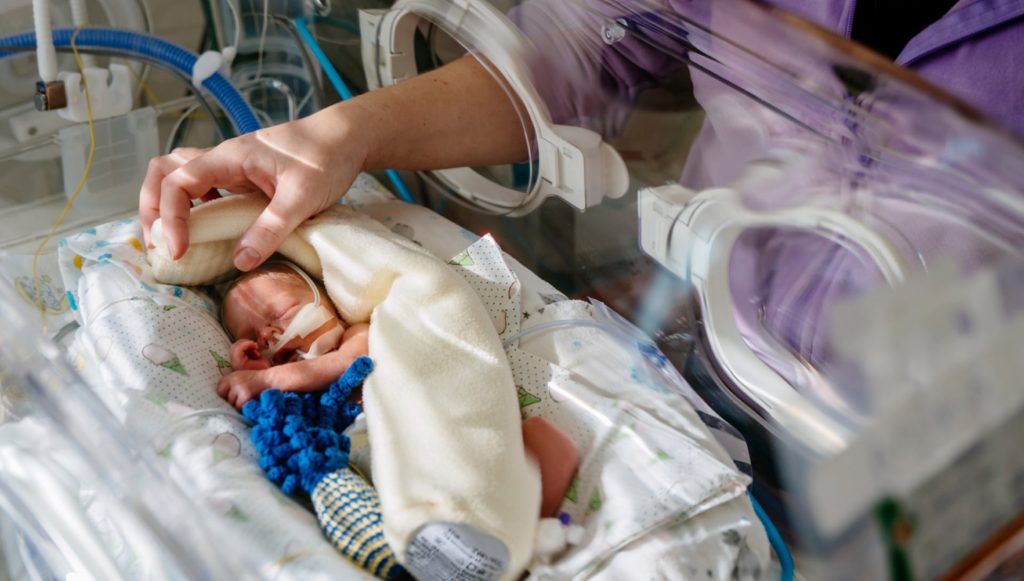
Cerebral palsy is a group of permanent disorders that affect a child’s ability to move, maintain posture, and control muscle movement. Cerebral palsy results from damage to the developing brain and often originates from events during labor and delivery. When a baby’s brain does not receive the oxygen or blood flow it needs, or when physical trauma occurs during delivery, cells in the brain can sustain injury that interrupts normal development. The type of cerebral palsy that develops depends on which areas of the brain were affected, but the root cause of the damage is often tied to events immediately before, during, or just after birth.
Birth injury can happen suddenly or develop over a prolonged period of time during labor. Sometimes the warning signs appear on fetal monitoring strips. Other times they show up as physical complications such as umbilical cord problems or maternal medical issues that require immediate intervention. The central question parents often have is how these events connect to cerebral palsy. When the brain is deprived of oxygen or exposed to trauma, brain cells in the motor control regions are particularly vulnerable. If these cells become injured or die, the child may develop long-term problems with movement and coordination.
In many cases, the injury is entirely preventable with proper monitoring and timely medical action. Fetal distress often appears on heart rate tracings. When medical staff fail to respond appropriately, prolonged oxygen deprivation can lead to significant damage. In other cases, a baby may experience trauma if tools such as forceps or vacuum extractors are used improperly. Premature infants face additional risks since their brains are more fragile and susceptible to injury. Infections, strokes, or bleeding in the brain can also result in cerebral palsy. Understanding these pathways allows families to piece together what may have occurred during delivery and whether the outcome could have been prevented with competent care.
Oxygen Deprivation and Hypoxic Ischemic Events (HIE / Birth Asphyxia)
Oxygen deprivation is one of the most well known and medically documented causes of cerebral palsy. Birth asphyxia occurs when a baby’s oxygen supply is reduced or interrupted. This can occur before labor starts, during delivery, or in the immediate moments following birth. Babies receive oxygen through the placenta and umbilical cord while in the womb, and any event that disrupts this flow can result in a rapid cascade of medical complications.
Birth asphyxia often occurs when the umbilical cord becomes compressed or wrapped, when the placenta detaches too early, when the uterus ruptures, or when labor continues for too long without progress. Medical providers are trained to recognize signs of fetal distress that may indicate the baby is not receiving adequate oxygen. These signs appear through abnormal fetal heart rate tracings or through clinical symptoms. When these warnings are missed or ignored, babies may be left in a compromised state for extended periods, which increases the risk of brain injury.
Hypoxic Ischemic Encephalopathy, referred to as HIE, is a specific type of brain injury caused by reduced oxygen and blood flow. When the brain does not receive enough oxygen, cells begin to malfunction. If the deprivation lasts long enough, cells die and the damage becomes permanent. HIE exists on a spectrum from mild to severe. Mild cases may lead to temporary symptoms or minor developmental delays, although some children show no long-term complications. Moderate or severe HIE, however, frequently results in long-term neurological conditions including cerebral palsy.
Medical research confirms the link between HIE and cerebral palsy. Brain areas responsible for movement and coordination are especially sensitive to oxygen loss. Within minutes of severe oxygen deprivation, brain damage can occur. If a baby survives the initial insult, they may develop spasticity, tone abnormalities, motor impairments, or other hallmarks of cerebral palsy.
Preventing HIE is one of the most critical responsibilities of obstetric care providers. If the baby is not tolerating labor well, it is essential that the medical staff react in a timely fashion. In some cases, an emergency cesarean delivery is the only way to prevent ongoing oxygen deprivation. If medical professionals fail to diagnose or respond to oxygen-related complications, the baby could suffer injuries that stay with them for the rest of their life.
In addition to labor-related causes, oxygen deprivation may also occur immediately after birth. Babies sometimes need assistance breathing and must be resuscitated. If the medical team is slow to respond or improperly trained, prolonged oxygen deprivation can continue after delivery. The longer the brain goes without adequate oxygen, the higher the risk of permanent injury.
Other Birth Related Injuries: Trauma, Hemorrhage, Brain Bleeding, Infections, Preterm Vulnerabilities
Physical trauma during delivery, bleeding within the brain, infections, and complications related to prematurity also contribute to the development of cerebral palsy. These conditions may occur independently or in combination with oxygen deprivation, further increasing the risk of long-term neurological damage.
Traumatic birth injuries often result from difficult or complicated deliveries. If labor stalls or the baby becomes stuck in the birth canal, providers may attempt to assist delivery using forceps or vacuum extraction tools. These tools should be used by professionals with the required skill and precision. Improper use of forceps and vacuum extraction tools can cause skull fractures, brain hemorrhage, nerve damage, or bruising that affects the brain. Excessive traction or force can also lead to brain bleeding, which disrupts normal brain development and increases the risk of cerebral palsy.
Umbilical cord complications can cause trauma or oxygen-related injury. A prolapsed cord, for instance, occurs when the cord emerges before the baby. This circumstance creates an emergency that requires immediate action. A cord wrapped tightly around the baby’s neck can restrict blood flow. Placental issues such as placenta previa or placental abruption can interrupt oxygen and nutrient delivery. Each of these events can create a dangerous environment for the baby if not recognized and managed swiftly.
Infections also pose a danger to newborns. Maternal infections that are not properly treated during pregnancy can be transmitted to the baby. Infections like chorioamnionitis or group B strep can cause inflammation in the baby’s brain, increasing the risk of neurological injury. Newborn infections after birth, such as meningitis, can also lead to brain damage if not diagnosed and treated quickly.
Preterm babies face a unique set of challenges because their organs and brain structures are still developing. Even mild oxygen deprivation can cause serious damage in premature infants. Preterm babies are more vulnerable to brain hemorrhages known as intraventricular hemorrhages. These bleeding events can damage brain tissue and interfere with the development of motor pathways, which may lead to cerebral palsy. If the infant has a very low birth weight, they face increased risk of periventricular leukomalacia, a condition involving the death of white matter in the brain. This condition is strongly associated with cerebral palsy.
How Medical Negligence or Substandard Care May Contribute

Understanding when a birth injury could have been prevented requires careful analysis. Not every complication is the result of negligence. Some events unfold rapidly and unpredictably, even with appropriate care. However, many cases of cerebral palsy are linked to avoidable errors. When medical professionals fail to meet the standard of care expected in labor and delivery, their actions or inactions may cause or worsen oxygen deprivation, trauma, or other conditions that lead to brain injury.
One of the most common forms of negligence involves a failure to properly monitor fetal wellbeing during labor. Continuous fetal heart monitoring is used to track how well the baby is tolerating labor. When strips show concerning patterns, medical staff must take immediate steps to address the problem. Failure to respond to prolonged decelerations, reduced variability, or other signs of fetal distress can allow oxygen deprivation to continue unchecked.
Delays in performing a necessary cesarean section are another frequent source of negligence. When labor is not progressing or when the baby shows signs of distress, doctors may need to move quickly to surgical delivery. Hospitals are expected to have protocols in place for timely cesarean sections. If staffing shortages, miscommunication, or indecision cause delays, the baby may suffer brain injury due to prolonged oxygen deprivation.
Improper use of labor assisting tools such as forceps or vacuum extractors can also constitute negligence. These instruments should only be used by trained professionals and only when medically appropriate. If a provider applies excessive force or uses the tools in the wrong position, the baby may sustain head trauma that leads to cerebral palsy.
Inadequate response to maternal medical conditions can also cause birth injury. Conditions such as preeclampsia, uterine rupture, or placental abruption require rapid intervention. If providers fail to recognize the signs or delay critical action, both mother and baby may experience life threatening complications.
Sometimes the delivery goes relatively well, but it’s the care after the delivery that is substandard. For instance, in the event that the baby isn’t breathing on their own appropriately, the baby could suffer dangerous oxygen deprivation. The healthcare staff should properly manage the baby’s airway, ensure timely ventilation, or transfer the baby to a higher level of care. Additionally, newborns who show signs of seizures, respiratory problems, or infection must be monitored closely to prevent additional injury.
Establishing negligence requires a detailed and technical investigation. Families often do not have access to the full picture until medical experts review the records. Important evidence includes delivery logs, fetal monitoring strips, Apgar scores*, cord blood gas results, neonatal charts, and imaging studies such as MRI scans. These records help determine whether the standard of care was met or whether errors contributed to the injuries.
When a medical malpractice attorney can determine that the medical staff committed medical negligence, families are given an important opportunity to secure financial resources for long-term care. Cerebral palsy requires lifelong support, and the costs associated with therapy, medical equipment, home modifications, and caregiving can be substantial. Legal action that results in fair compensation can help to ensure that children with preventable injuries receive the care and opportunities they need.
Recognizing Cerebral Palsy After Birth Injury: Symptoms and Diagnosis

Cerebral palsy is a complex condition with a wide range of symptoms. Some children exhibit signs shortly after birth, while others do not show clear symptoms until they are supposed to reach certain childhood milestones such as sitting, crawling, or walking. Parents who suspect their child may have cerebral palsy often notice delays or differences in movement patterns.
The earliest signs of cerebral palsy in newborns often involve muscle tone, reflexes, breathing, or neurological responses. Babies who experienced oxygen deprivation during birth may present with low Apgar scores in the minutes after delivery. They may have weak reflexes or difficulty maintaining normal muscle tone. Some newborns experience seizures, which can indicate underlying brain injury. These signs may not be conclusive on their own, but should prompt medical evaluation.
As infants grow, parents may notice delays in reaching developmental milestones. A child with cerebral palsy may struggle to roll over, sit independently, or crawl. Some children exhibit stiff or floppy muscles. Others may have difficulty coordinating hand movements or controlling their head and neck. As the condition becomes more apparent, signs may include muscle spasticity, abnormal posture, limited range of motion, tremors, or involuntary movements.
Not all children with cerebral palsy have cognitive difficulties, but some may have challenges with learning or problem solving. Others may have sensory impairments such as vision or hearing problems. Others yet may experience speech delays and difficulty swallowing or feeding. Each child’s experience with cerebral palsy is unique, and the range of symptoms varies widely.
Diagnosis typically involves a combination of clinical evaluations and diagnostic testing. Pediatricians and neurologists review the child’s medical history, including records from labor and delivery. If a child experienced birth trauma or oxygen deprivation, these details help guide further investigation. Pediatricians and neurologists will typically order certain diagnostic studies, like neurological exams and imaging studies. Neurological exams assess reflexes, muscle tone, coordination, and motor function. Imaging studies (such as MRI or cranial ultrasound) provide insight into structural abnormalities or patterns of brain injury.
Understanding how cerebral palsy presents allows families to connect early signs to the events of birth. For parents who experienced a difficult delivery or whose children required resuscitation, it is natural to question whether the complications contributed to the diagnosis. A thorough review of medical records can help answer these questions.
Prognosis and Long-Term Care: What Families Should Expect

While your child’s functional abilities may change over time, your child’s brain has likely been permanently altered from the birth injury. The prognosis depends on the type of cerebral palsy, the severity of the brain injury, and the effectiveness of early interventions. Some children have mild symptoms and live independently with minimal support. Others require significant assistance with daily activities throughout their lives.
Common long-term consequences include impaired motor skills, muscle stiffness or spasticity, difficulties with balance or coordination, and limited mobility. Some children can walk independently while others rely on wheelchairs or mobility devices. Some children suffer orthopedic issues such as hip dysplasia or scoliosis. And some children may display speech and communication challenges.
Children with cerebral palsy may experience intellectual or sensory impairments, vision problems such as strabismus or cortical visual impairment, hearing loss, seizures, and feeding difficulties, which may necessitate feeding tubes or nutritional support.
The cost of long-term care is significant. Families may need to purchase specialized equipment such as wheelchairs, braces, communication devices, and adaptive tools. They may need to install home modifications so the child can navigate the home safely. They may need to find special education services and ensure their child receives a personalized learning plan. And they will likely have to manage the frequent medical appointments, repeat surgeries, and medication dosing.
Families often underestimate the emotional and logistical impact of caring for a child with cerebral palsy. Parenting responsibilities may include coordinating therapies, advocating for school accommodations, managing medical appointments, and providing hands-on support for daily activities. This responsibility can be overwhelming without adequate resources.
Prognosis varies widely, and many children with cerebral palsy lead fulfilling and meaningful lives. With the right support, they can thrive academically, socially, and emotionally. However, the financial and caregiving burden on families is substantial.
When Birth Injury Leads to CP: Legal Considerations and Options for Families
Families whose children have been diagnosed with cerebral palsy often want to understand whether the condition resulted from preventable medical errors. While not all cases of cerebral palsy are linked to negligence, many arise from situations where proper monitoring or timely intervention could have prevented the brain injury from occurring. If a child’s cerebral palsy is caused by oxygen deprivation, trauma, or other birth related complications that were not managed appropriately, parents may have grounds for a medical malpractice claim.
A legal case requires proof that the medical professionals failed to meet the standard of care and that this failure contributed to the child’s injury. This process involves reviewing medical records and evaluating how the healthcare team responded to complications. Examples of evidence that may support a claim include fetal monitoring records showing signs of distress that were not addressed, delivery notes indicating delays or inappropriate interventions, or neonatal records documenting low Apgar scores, seizures, or abnormal cord blood gases.
Cord blood gas tests are particularly important in establishing whether oxygen deprivation occurred. Abnormal pH or base deficit values can indicate acidosis and compromised oxygen levels. MRI scans taken shortly after birth may show patterns of brain injury consistent with HIE. These details help medical experts link the brain injury to specific events during labor and delivery.
Compensation in cerebral palsy cases can provide vital resources for families. Because cerebral palsy is a lifelong condition, financial support is often needed for medical care, therapy, adaptive equipment, home modifications, and education. Families may also need assistance with transportation, caregiving, and respite care. Legal compensation helps ensure that children with preventable injuries receive the care they require.
Pursuing a legal case does not change what happened during the delivery, but it can provide answers, accountability, and financial support. An experienced birth injury attorney can help families understand the strengths of their case and guide them through the process of gathering evidence. Many families pursue legal action not only to secure resources for their child but also to prevent similar harm from occurring to others. When negligence is exposed, it can lead to improvements in hospital protocols and patient safety.
Parents often hesitate to pursue legal action, fearing that it will be stressful or burdensome. However, many law firms specializing in birth injury cases work on a contingency basis, meaning families do not pay fees unless the case is successful. Early consultation is essential because medical records must be preserved, and legal deadlines apply. Families should never feel guilty for seeking answers. Their child deserves a future supported by the resources required for a meaningful and healthy life.
What Parents and Guardians Should Do: Checklist and Next Steps
If they suspect their child has cerebral palsy from a birth injury, parents and guardians should:
- Preserve all medical records including prenatal care documents, labor and delivery logs, fetal monitoring strips, neonatal charts, cord blood results, imaging studies, and any notes concerning complications. These records are essential for understanding what happened during labor and delivery and whether negligence may have played a role.
- Watch for developmental milestones such as rolling, sitting, crawling, and walking. Track motor skills, reflexes, and behavior patterns. If you notice delays or abnormalities, request an evaluation from a pediatrician or neurologist. Early assessment helps ensure timely diagnosis and intervention.
- Ask clear questions to healthcare providers about what occurred during labor and delivery. Inquire about fetal distress, oxygen levels, interventions used during birth such as forceps, vacuum devices, or cesarean sections, and your baby’s condition immediately after birth. Understanding these details provides context for the diagnosis.
- Seek early therapeutic and support services. Early intervention programs offer physical, occupational, and speech therapy to help your child develop functional skills. Even if cerebral palsy is not yet confirmed, early therapy can improve outcomes and quality of life.
After you have started working on seeking proper medical care for your child, your next step should be to consult experienced birth injury legal counsel, like the experienced birth injury and medical malpractice lawyers at VSCP LAW. You may be unsure whether medical negligence caused the birth injury. That’s okay. Consulting with a birth injury lawyer will help you understand whether your child’s injuries resulted from negligence and will help you understand your rights under the law. Consulting with a lawyer early also helps preserve evidence and ensures that all necessary legal work is filed in a timely manner, to preserve your rights.
Final Thoughts: Balancing Hope, Awareness, and Rights
Cerebral palsy stemming from a birth injury represents one of the most profound challenges a family can face. Parents of a child with cerebral palsy often feel grief, confusion, and uncertainty about the future. Although the road ahead can be difficult, families tend to feel empowered by knowing more about cerebral palsy. Indeed, when they understand the causes of cerebral palsy, how to secure appropriate medical care, and when legal support might be needed, they are better equipped to advocate for their child’s needs and seek support from healthcare providers, community resources, and legal professionals.
It is also important to acknowledge that not every case of cerebral palsy results from negligence. Many cases arise from complex prenatal factors that are beyond anyone’s control. However, when preventable errors occur during labor, delivery, or neonatal care, families deserve accountability. Children who suffer from avoidable injuries should have access to the therapies, equipment, medical care, and educational support they need. Legal action can help secure these resources and create lasting improvements in healthcare practices.
If you suspect that your child’s cerebral palsy resulted from a birth injury or mismanaged delivery, do not delay seeking answers. Medical evaluations, early interventions, and legal guidance can significantly influence your child’s future. Families who act early are better positioned to preserve evidence, pursue treatment, and secure the resources needed for lifelong care. You do not have to navigate this journey alone. Knowledge, support, and professional guidance can make a critical difference for your child and your family. Contact VSCP LAW today for a free legal consultation.