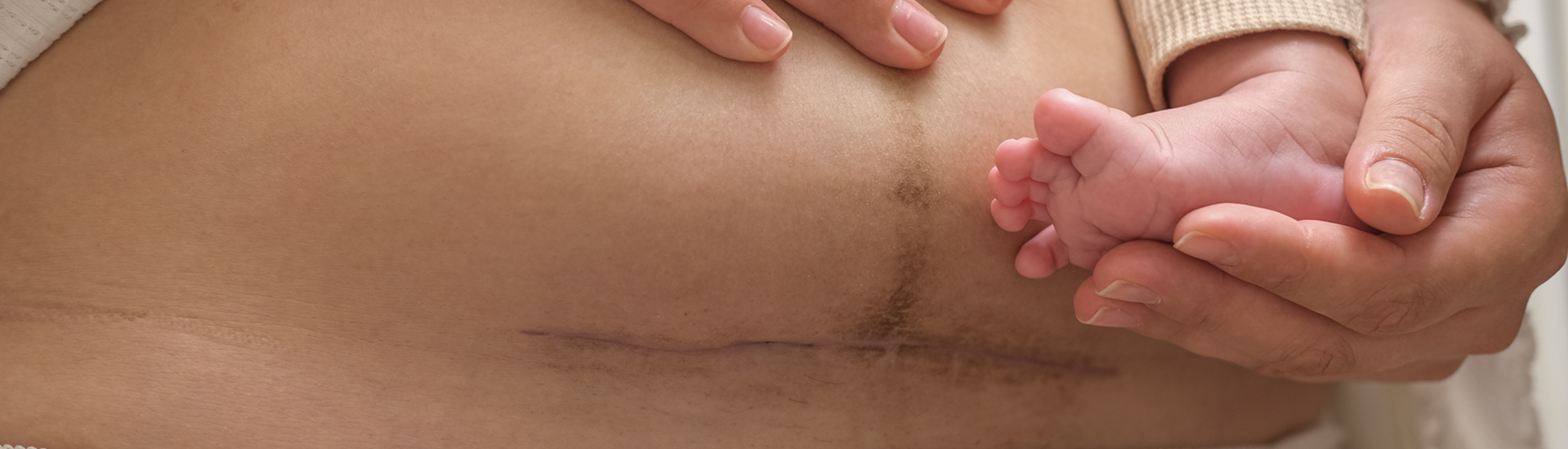
Defining a Botched C-Section
A birth by Cesarean section, or C-section, is one where an incision is made to the mother’s abdomen and uterus, and the baby is removed from the woman’s body, rather than her delivering the baby vaginally. It is one of the most common surgical procedures in modern obstetrics and is typically done in situations where vaginal delivery isn’t possible or safe. When performed correctly, it can be a lifesaving intervention for both mother and baby. However, when mistakes occur during this procedure, some commonly refer to the unfortunate process as a “botched C-section.”

What Qualifies as a Botched C-Section in Medical and Legal Terms?
In medical terms, a botched C-section is generally considered a procedure in which the standard of care expected in obstetrics is not met, resulting in avoidable injury or harm to the mother, the baby, or both. For example, if a surgeon fails to properly monitor a mother’s vital signs or the fetus’ condition, or if the surgical team performs the operation improperly, resulting in injuries like uterine tears, nerve damage, or postpartum hemorrhage, these would fall under the category of a botched procedure.
In legal terms, a C-section may be considered botched if it meets the criteria for medical malpractice. In the United States, medical malpractice occurs when a healthcare provider fails to provide care that meets the accepted standard of practice, and that failure directly causes injury. In other words, not every negative outcome qualifies as malpractice; there must be a demonstrable breach in the standard of care. Legal professionals typically rely on expert testimony from obstetricians to establish whether a specific action or omission constitutes negligence.
What are errors that lead to a botched c-section?
Errors are preventable mistakes that could have been avoided if proper medical protocols had been followed. For instance, if a surgical team fails to recognize signs of fetal distress in time, leading to brain injury, this is considered an error rather than an unavoidable complication. Similarly, administering the wrong dose of anesthesia, leaving surgical instruments inside the mother, or making incorrect incisions are examples of mistakes that fall under the botched C-section category.
Examples: delayed surgical intervention, anesthesia failures, surgical mistakes, poor fetal monitoring
While each case is unique, there are several patterns of errors that frequently appear in botched C-section cases.
1. Delayed Surgical Intervention
Time is critical in obstetric emergencies. Conditions such as placental abruption, umbilical cord prolapse, or fetal distress require swift surgical intervention. A delay in performing a C-section when these emergencies arise can result in serious injury or death. For instance, if it is determined that the baby is in severe fetal distress but the surgical team takes an unusually long time to start the procedure, the baby may suffer hypoxic-ischemic encephalopathy (HIE), a condition caused by lack of oxygen, which can lead to long-term neurological disabilities.
2. Anesthesia Failures
Anesthesia is a vital part of a C-section, ensuring the mother remains pain-free and stable throughout the procedure. Errors in anesthesia administration, such as overdosing, underdosing, or failing to monitor the mother’s response, can lead to serious complications. Overdosing may cause respiratory depression or cardiac arrest, while underdosing could result in the mother experiencing extreme pain or sudden movement during surgery, increasing the risk of surgical injury. Some anesthesia-related mistakes can cause permanent neurological damage in both mother and child.
3. Surgical Mistakes
Surgical errors include improper incisions, accidental damage to internal organs, or failure to control excessive bleeding. For example, if a surgeon inadvertently lacerates the bladder or uterus while performing a C-section, the mother may require multiple corrective surgeries and face lifelong complications, including chronic pain or infertility. In some cases, surgical mistakes can also affect the baby, such as when a scalpel injures the newborn during extraction.
4. Poor Fetal Monitoring
Continuous fetal monitoring is essential to identify signs of distress or oxygen deprivation during labor. Failures in monitoring can result in a delay in recognizing complications that require immediate surgical intervention. If fetal heart rates are not properly tracked or warning signs are ignored, the baby may suffer injuries such as cerebral palsy or other permanent disabilities.
Impact on Mothers

While childbirth is often portrayed as a moment of joy, a botched C-section can become an emotionally and physically traumatic event for the mother.
Physical injuries: hemorrhage, infection, organ or bladder damage, C-section scar defects.
Severe hemorrhage (excessive bleeding) is a significant risk of a botched C-section. Excessive blood loss during surgery can require blood transfusions, additional operations, or prolonged hospitalization. In some cases, hemorrhaging can lead to life-threatening complications, including organ failure.
Infections are another serious concern. Despite sterile surgical protocols, errors in technique or postoperative care can increase the risk of infection. Surgical site infections may result in extended recovery periods, additional medical interventions, or chronic pain. In severe cases, infections can become systemic, requiring intensive treatment and sometimes causing long-term health issues.
Damage to internal organs such as the bladder, bowel, or uterus can occur as the result of a botched C-section, leading to significant pain, urinary and digestive problems, and possibly the need for additional corrective surgeries.
Scar defects, including improper healing or excessive scarring at the incision site, may cause discomfort, cosmetic concerns, or even functional problems. Some mothers experience chronic pain or restricted mobility due to complications from the surgical scar.
Emotional effects: trauma, postpartum depression, PTSD
In addition to physical injuries, the emotional toll of a botched C-section can be severe. Mothers may experience intense fear, anxiety, or feelings of helplessness related to the surgical experience, all due to trauma. These emotions can persist long after the physical wounds have healed.
Postpartum depression (PPD) is another common outcome. Mothers who experience complications during delivery may struggle with feelings of sadness, guilt, or inadequacy. The added stress of medical interventions, prolonged recovery, or caring for a child who may also be affected by birth complications can exacerbate these feelings. Depression after a traumatic birth can interfere with a mother’s ability to bond with her baby, manage daily responsibilities, or participate fully in family life.
Mothers who experience botched C-Sections also suffer from post-traumatic stress disorder (PTSD). Symptoms may include flashbacks, nightmares, severe anxiety, avoidance of situations that remind the mother of the birth, and a persistent dread about future pregnancies or medical procedures.
Long-Term Consequences for Reproductive Health
A botched C-section may compromise reproductive health. Damage to the uterus or other internal organs can affect a mother’s ability to conceive or carry future pregnancies safely. In some cases, mothers may face an increased risk of complications such as placenta previa, uterine rupture, or infertility.
Repeated surgeries are often required to correct physical damage, and each procedure carries additional risks. Even when corrective surgery is successful, mothers may experience chronic pain, adhesion formation, or other long-term complications that affect daily life. Some mothers report ongoing gynecological issues such as irregular menstruation, urinary incontinence, or persistent pelvic discomfort.
In addition to physical consequences, as referenced above, the psychological impact can influence reproductive decisions. Anxiety about future pregnancies or fear of repeated medical errors can discourage mothers from considering another child. The combination of physical and emotional challenges can make family planning and overall reproductive health a complex and stressful journey.
Impact on Newborns

Errors in timing, technique, or monitoring can result in serious and sometimes lifelong injuries for the baby.
Oxygen deprivation leading to brain injuries or cerebral palsy
One of the most serious risks for newborns in a botched C-section is oxygen deprivation (sometimes referred to as “hypoxia”), which can occur if the surgical team fails to act quickly during signs of fetal distress, if the umbilical cord is compressed, or if complications such as placental abruption are not promptly managed.
In some cases, oxygen deprivation leads to brain injuries such as cerebral palsy, a group of disorders that affect movement, muscle tone, and posture. Children with cerebral palsy may require ongoing physical, occupational, and speech therapy, and they may face challenges with mobility, coordination, and communication throughout their lives.
Surgical injuries such as facial cuts, fractures, or nerve damage
Newborns can also be injured directly during a C-section due to surgical mistakes. Improper use of surgical tools can cause the baby to sustain facial cuts, scarring, or disfigurement. Improper handling of the baby during birth can lead to bone fracture (commonly the clavicle) or nerve damage, for example, brachial plexus injuries, which affect the network of nerves that control the arms and hands. Depending on the severity, some children recover fully, while others may require physical therapy or corrective surgery.
Long-Term Care Needs and Developmental Challenges
The consequences of a botched C-section often extend well beyond the immediate postpartum period. Infants who suffer from oxygen deprivation or surgical injuries frequently require long-term medical care. This may include multiple surgeries, ongoing physical or occupational therapy, and specialized medical equipment. Some children with cerebral palsy or other neurological injuries may require wheelchairs, braces, or adaptive devices to assist with mobility.
Children affected by birth injuries may experience delays in speech, cognitive skills, and social development. Early intervention programs can help address some of these issues, but families may face ongoing educational and therapeutic needs for many years. The financial and emotional toll of caring for a child with significant medical or developmental needs can be substantial.
Children with birth injuries may require lifelong monitoring to manage complications that arise later in childhood or adolescence. Conditions such as muscle spasticity, joint contractures, or learning difficulties may emerge over time, requiring coordinated care from pediatricians, specialists, and therapists. Families often need to advocate for their child’s needs in educational and medical settings to ensure appropriate accommodations and support.
Warning Signs During and After Delivery
While complications can arise even under careful management, certain warning signs indicate that the standard of care may not have been met.
Delays in Ordering or Performing the Procedure
One of the most serious warning signs during delivery is a delay in ordering or performing a C-section. In many cases, emergencies such as fetal distress, placental abruption, or umbilical cord prolapse require immediate surgical intervention. Any hesitation or delay can significantly increase the risk of injury to both mother and child. A delay may occur if warning signs are overlooked, if the hospital is understaffed, if staff are unprepared, or if there is miscommunication among the medical team.
Inadequate Monitoring of Fetal Distress
Continuous fetal monitoring is essential to track the baby’s heart rate and detect early signs of distress. Fetal distress can be caused by a variety of factors, including oxygen deprivation, umbilical cord issues, or maternal complications. If not identified promptly, the baby may experience oxygen deprivation, leading to brain injuries such as cerebral palsy or other developmental delays. Monitoring failures can include missed changes in heart rate, failure to respond to decelerations, or improper documentation of vital signs. Gaps in monitoring may arise from insufficient staffing, malfunctioning equipment, or lapses in protocol.
Post-surgery red flags: persistent bleeding, infection, missed internal injuries
Persistent bleeding is one of the most common post-surgery red flags. While some bleeding is normal after any surgery, excessive or uncontrolled bleeding may signal that internal damage, incomplete uterine closure, or other complications were not addressed properly during the operation. Persistent bleeding can lead to anemia, organ damage, or the need for additional surgical interventions.
Infections are another major concern after a C-section. Signs may include fever, redness or swelling at the incision site, foul-smelling discharge, or severe pain. Postoperative infections can escalate quickly, becoming systemic or life-threatening if not treated promptly.
Missed internal injuries are also a critical warning sign. During surgery, internal organs such as the bladder, bowel, or uterus may be inadvertently damaged. If these injuries go unnoticed, the mother may experience severe abdominal pain, digestive issues, urinary problems, or other complications that require further surgery. Delayed recognition of internal injuries can significantly prolong recovery, increase the risk of additional complications, and have long-term effects on health and reproductive outcomes.
Proving Negligence vs. Natural Complication
When a C-section goes wrong, families are often left wondering whether the outcome was the result of unavoidable medical complications or preventable errors.
What Separates Malpractice from Medical Risk
Childbirth, including cesarean delivery, inherently carries risks. Even under ideal conditions, complications can occur. When these events arise despite careful and competent medical care, they’re considered unavoidable medical risks.
Malpractice, by contrast, occurs when a mistake was not unavoidable or, in other words, was preventable. Malpractice occurs when a healthcare provider fails to meet the accepted standard of care, and that failure directly causes injury. For example, if a doctor delays performing a C-section despite clear evidence of fetal distress, and the baby suffers oxygen deprivation as a result, this could constitute malpractice. Similarly, surgical errors such as cutting the wrong tissue, leaving instruments inside the mother, or improperly administering anesthesia would likely qualify as preventable mistakes rather than inherent risks of the procedure.
The Role of Expert Testimony in Malpractice Cases
Expert testimony is central to proving negligence in C-section malpractice cases. Medical professionals with specialized knowledge in obstetrics and surgical procedures are often called upon to review the case and provide an informed opinion. Their testimony helps establish what a reasonable doctor would have done in the same situation and whether the provider in question deviated from that standard. Experts evaluate a range of factors, including the mother’s medical history, fetal condition, timing of interventions, surgical technique, anesthesia administration, and postoperative care. They may review medical records, fetal monitoring data, surgical notes, and lab results to determine whether the care provided was consistent with accepted medical standards. In many cases, expert testimony is the deciding factor in distinguishing between an unfortunate complication and actionable negligence.
Key Question: Would a Reasonable Doctor Have Acted Differently?
At the heart of any malpractice claim is a single, critical question: would a reasonable doctor have acted differently under the same circumstances? This standard, often referred to as the “reasonable physician” or “standard of care” test, guides courts in evaluating negligence claims.
A reasonable doctor is one who exercises the knowledge, skill, and care commonly expected of medical professionals in similar situations. If the evidence shows that the healthcare provider acted in a manner consistent with what other competent doctors would do, the adverse outcome may be classified as a natural complication or an unavoidable risk. Conversely, if a reasonably careful doctor would have identified the risk, acted more quickly, or used a different technique to prevent harm, the case may meet the threshold for malpractice.
Your Rights After a Botched C-Section Gone Wrong
Experiencing a botched C-section can be devastating, leaving families with physical, emotional, and financial consequences. Beyond the immediate medical crisis, it is important to understand your legal rights and the options available for seeking justice.
Who can bring a claim: injured mothers, fathers, guardians
Legal claims following a botched C-section can be filed by multiple parties. An injured mother is the primary plaintiff in many cases, as they directly experience physical injuries, emotional trauma, and long-term reproductive complications resulting from surgical errors. Mothers can seek compensation for medical expenses, rehabilitation, lost income, and pain and suffering caused by the botched procedure.
Fathers or other guardians of the newborn may also have standing to bring claims in certain circumstances, particularly when the baby suffers injuries that require ongoing care. For example, if a child experiences cerebral palsy, nerve damage, or developmental delays due to oxygen deprivation or surgical mistakes, parents can file claims on behalf of the child. Guardians may pursue damages to cover medical care, therapy, educational support, and other long-term needs.
In cases where a botched C-section results in the death of a mother or newborn, family members, including spouses and legal guardians, can file wrongful death claims. These claims are designed to provide compensation for both financial losses and the emotional impact of losing a loved one due to preventable medical errors.
Potential Damages: medical bills, long-term care, lost income, pain and suffering
Families pursuing claims after a botched C-section may be entitled to several types of damages. The first three types of damages (medical bills, long-term care, and lost income) are in the category of economic (or quantifiable) damages. The last type, pain and suffering, is considered a non-economic damage.
Medical bills include hospital expenses, surgeries, medication, and rehabilitation services required to treat injuries caused by the procedure. For children, this may extend to specialized care such as physical therapy, occupational therapy, speech therapy, and assistive devices.
Long-term care costs are another potential financial burden that can constitute potential damages. Birth injuries resulting from medical negligence can require decades of ongoing medical attention and supportive care. Families may seek compensation for these anticipated future expenses to ensure the child receives the care necessary to maximize their quality of life.
Lost income is another category of economic damages available in many cases. Mothers may be unable to return to work due to recovery from complications, long-term physical limitations, or emotional trauma. In cases involving a child, parents may also lose income due to the time required to provide care, attend medical appointments, or advocate for educational support.
Pain and suffering is a non-economic damage that reflects the physical and emotional hardships endured because of a botched C-section. Pain and suffering can include chronic pain, disability, trauma, anxiety, depression, and the impact on overall quality of life. Courts recognize that these intangible consequences are real and can significantly affect daily living, family dynamics, and personal well-being.
Wrongful death claims when outcomes are fatal
Tragically, some botched C-sections result in the death of the mother, the newborn, or both. Wrongful death claims provide a legal mechanism to hold negligent healthcare providers accountable and provide financial relief to surviving family members. These claims can cover funeral expenses, loss of companionship, lost income, and other damages that arise from the untimely death.
Steps to Take Immediately
Taking immediate and organized steps ensures proper medical care, preserves critical evidence, and positions families to pursue compensation if negligence is involved.
Seek Prompt Medical Evaluation and Treatment
The first priority after a botched C-section is medical safety. Mothers who experience excessive bleeding, severe pain, signs of infection, or unusual postoperative complications should seek immediate evaluation. Delaying medical attention can worsen injuries and increase the risk of long-term consequences. For newborns, prompt medical assessment is equally critical. Oxygen deprivation, nerve injuries, fractures, or other surgical trauma may not be immediately obvious but require early intervention to minimize lasting effects.
Even if initial symptoms appear mild, follow-up evaluations are crucial. Some injuries, such as internal organ damage, infection, or neurological complications, can develop over time. By seeking thorough medical assessments promptly, families not only protect their health but also create a documented medical record that can later support legal claims.
Gather hospital and surgical records (operative notes, fetal monitoring strips, anesthesia logs)
Documentation is a vital component of any potential malpractice case. Families should request copies of all hospital and surgical records as soon as possible. Key documents include operative notes, which detail the procedure performed, the steps taken by the surgical team, and any complications observed. Fetal monitoring strips can provide objective evidence of the baby’s condition during labor and delivery. Anesthesia logs are also important, as they record medications administered, dosages, and any complications that occurred during the procedure.
Document injuries and recovery with journals and photos
In addition to formal medical records, personal documentation of injuries and recovery can provide valuable evidence. Keeping a journal to record physical symptoms, pain levels, medical appointments, and emotional impact and photographs of surgical scars, bruising, or other visible injuries help to create a detailed account of the effects of the botched C-section.
Contact a Birth Injury Attorney as Soon as Possible
Consulting a qualified birth injury attorney early ensures that families receive guidance on legal rights and the steps necessary to pursue a claim. Attorneys experienced in medical malpractice understand the importance of preserving evidence, obtaining expert medical opinions, and meeting statutory deadlines for filing claims. An attorney can help families navigate complex issues such as determining liability, identifying all responsible parties, and estimating both immediate and long-term damages. Early legal consultation also allows families to focus on recovery and caregiving while the attorney coordinates investigative and documentation efforts. Many birth injury attorneys offer free initial consultations and work on a contingency basis, meaning families can access legal representation without upfront costs.
Filing a Malpractice Claim: What to Expect
When a C-section goes wrong, pursuing a medical malpractice claim can be a complex and emotionally taxing process.
Legal process overview: consultation → case review → filing → settlement/trial
Filing a malpractice claim typically begins with an initial consultation with a qualified attorney who specializes in birth injury cases. During this consultation, the attorney reviews the circumstances surrounding the C-section, gathers preliminary information about injuries, and assesses whether there are grounds for a legal claim. This step allows families to understand their rights, potential options, and what evidence will be required to move forward.
If the attorney determines there is a viable case, the next stage involves a detailed case review. This includes obtaining and analyzing medical records, surgical notes, fetal monitoring strips, anesthesia logs, and other relevant documentation. Attorneys may also consult medical experts to evaluate whether the care provided deviated from accepted standards.
Once the case has been thoroughly reviewed and evidence compiled, if the attorney still believes the case is viable, the next step will be for the attorney to file a formal complaint with the appropriate court. This initiates the legal process, notifying the healthcare provider and their insurance company that a claim has been made.
Once evidence has been shared among the parties, they may try to negotiate a settlement and if they cannot come to an agreement, the case may proceed to trial, where a judge or jury will evaluate the evidence and determine liability and damages.
Why Choosing a Firm with Birth Injury Expertise Matters
Birth injuries involve unique medical considerations, including neonatal complications, maternal trauma, and long-term care needs. Attorneys familiar with these cases understand how to identify and document critical evidence, consult appropriate medical experts, and calculate damages that reflect both immediate and future expenses.
A firm with birth injury expertise can also provide guidance on complex issues such as medical causation, long-term prognosis, and the emotional impact on families. These factors are often central to securing appropriate compensation. Firms that handle general malpractice cases may not have the specialized knowledge necessary to effectively manage birth injury claims, which can affect both the outcome and the timeline of the case.
Typical Timelines and What Families Should Prepare For
Malpractice claims, especially those involving birth injuries, can be lengthy and involve multiple stages of review and negotiation. Families should be prepared for a process that may last months or even years. The timeline can vary depending on factors such as the complexity of the injuries, the availability of medical records, the responsiveness of healthcare providers, and the need for expert evaluations.
Early in the process, families should gather all relevant documentation and records, including medical charts, surgical notes, fetal monitoring strips, anesthesia logs, discharge summaries, and photographs or videos that document injuries. Maintaining a detailed journal of recovery, ongoing symptoms, and therapy or care sessions is also highly beneficial. These materials support the legal claim and help attorneys build a strong case.
Families should also prepare for extensive communication with attorneys and medical experts. Expect to answer detailed questions about the birth experience, medical history, and the physical and emotional effects of the injuries. While this process can be emotionally challenging, it is a necessary part of establishing the scope of harm and demonstrating the impact on daily life.
Common Questions Answered
Below, we address some of the most common questions families ask when navigating the aftermath of a cesarean section gone wrong.
Can I Sue if Only I Was Injured and My Baby Was Fine?
Yes, a legal claim can be filed even if only the mother suffered injuries during the C-section. Medical malpractice law recognizes that harm to the mother, independent of the newborn’s condition, can be grounds for compensation. Injuries such as excessive bleeding, infections, organ damage, nerve injuries, or complications from anesthesia all fall under the category of actionable harm if they result from deviations from the standard of care.
How Much Compensation is Typical in a Botched C-Section Case?
The amount of compensation in a botched C-section case can vary widely, depending on the severity of the injuries, the long-term consequences, and the circumstances surrounding the procedure. Minor injuries that require limited medical intervention may result in smaller settlements, while severe injuries or lifelong disabilities often involve multi-million-dollar claims.
What if My Doctor Says It Was Just a Complication?
It is common for healthcare providers to describe negative outcomes as “complications” rather than errors. While some complications are unavoidable, this does not automatically preclude a malpractice claim. An independent review by a medical expert can reveal lapses in care, delayed interventions, improper surgical techniques, or failures in monitoring that contributed to the injury. Families should document their concerns carefully and seek legal guidance to evaluate the claim objectively. Attorneys experienced in birth injuries understand how to interpret medical documentation and present evidence to demonstrate that what occurred went beyond a routine complication.
How Long Do I Have to File a Claim?
Time limits for filing a medical malpractice claim are determined by statutes of limitations, which vary by state. Generally, these deadlines range from one to three years from the date of the injury or from the date the injury was discovered. Some states have special provisions for minors, allowing claims to be filed years later on behalf of children who suffered birth injuries. Missing the deadline can bar families from pursuing compensation, making it essential to consult an attorney promptly. Even if the family is unsure about whether negligence occurred, they should contact an attorney as the attorney will help make sure that evidence is preserved, records are obtained, and the claim is filed within the required timeframe.
Why Taking Action Matters
While the immediate focus after a botched C-section is often on recovery, taking legal action can serve multiple purposes that extend beyond financial compensation. Acting promptly and decisively ensures that families not only secure their own rights but also contribute to accountability and safety within the medical system.
Securing Financial Stability for Long-Term Care Needs
Serious birth injuries can require years of specialized medical attention, therapies, surgeries, and adaptive equipment. For example, a child who suffers from cerebral palsy or nerve injuries may need lifelong physical, occupational, or speech therapy. Without financial resources, families may struggle to provide the necessary care, placing additional stress on daily life and limiting opportunities for the child’s development. Legal action can help cover these costs, ensuring that medical and therapeutic needs are met. Compensation may also account for future expenses, including long-term rehabilitation, special education, and ongoing medical monitoring. By taking action, families can focus on the child’s well-being rather than constantly worrying about how to fund essential care.
Holding Negligent Providers Accountable
Medical professionals are entrusted with the lives of mothers and babies, and mistakes that result in preventable injuries must be addressed. Accountability ensures that errors are acknowledged and that standards of care are reinforced within the medical community. Lawsuits and settlements can lead to changes in hospital policies, improved protocols, and increased awareness of best practices. By pursuing a claim, families help ensure that healthcare providers are reminded of their responsibility to maintain high standards of care, reducing the likelihood that similar errors will happen in the future. Holding providers accountable is a critical step in promoting patient safety and supporting systemic improvements in obstetric care.
Preventing Similar Harm to Other Families
Legal cases often shine a light on procedural failures, inadequate monitoring, or lapses in surgical care that may otherwise go unnoticed. Hospitals and medical professionals may implement more rigorous training, updated protocols, and better monitoring systems in response to malpractice claims. By pursuing legal action, families play a role in creating safer environments for other mothers and babies, reducing the risk of avoidable injuries in future deliveries. In this way, a single family’s experience can have far-reaching effects, improving patient care for the broader community.
Providing Closure and a Sense of Justice for Victims
Emotional recovery after a botched C-section can be complicated by feelings of anger, helplessness, or injustice. Legal action provides a structured way to seek acknowledgment of harm, responsibility, and redress. While financial compensation cannot undo injuries or erase trauma, it can provide validation that the harm suffered was not ignored. Filing a claim allows families to tell their story, document the consequences of medical negligence, and have their experience formally recognized. This process can help provide a sense of closure, allowing mothers and families to move forward with the knowledge that their suffering prompted action and accountability. Justice in this context is not only about compensation but also about acknowledgment, recognition of wrongdoing, and the reassurance that the case will contribute to broader safety measures.