
In one instance, a cancer diagnosis can permanently alter the trajectory of a person’s life. Priorities shift, plans are disrupted, and even one’s sense of stability is shaken. Ideally, a cancer diagnosis should bring clarity and a concrete path forward, with treatment options, timelines, and hope for recovery. But what happens when cancer is misdiagnosed? The patient might not get the life-saving treatment they need on the timeline that they need it. The patient may undergo unnecessary procedures, and the patient will lose hope in the system that was designed to heal them.

In this article, we take a firm look at the facts surrounding cancer misdiagnosis, from the medical factors that lead to these errors to the legal pathways available for those seeking justice. Understanding both the science and the law is the first step toward justice for those whose lives have been derailed by a preventable mistake
How Many Cancer Diagnoses Are Wrong or Delayed?
Diagnostic medicine is not perfect. Across outpatient and inpatient settings clinicians sometimes identify the wrong type of tumor, fail to identify cancer when it is present, or give a diagnosis so late that treatment options and outcomes are materially worse. Those three scenarios, false positives, false negatives, and delays, are all commonly grouped under the heading misdiagnosis, and together they make the true frequency of diagnostic error in cancer a significant public health and legal problem.
How big is the problem? Recent, careful reviews of the literature put the rate of diagnostic error for serious conditions in a range that should attract attention. One such study found that missed vascular events, infections, and cancers account for approximately 75% of serious harms from diagnostic errors. The researchers found that diagnostic errors were the most common, most costly, and most catastrophic of medical mistakes. Misdiagnosed cancers comprised 37.8% of diagnostic errors that led to death or serious, permanent disability.
It is also important to be precise about what we mean by misdiagnosis. The term commonly refers to at least three separate phenomena:
- False negatives: This is the classic missed diagnosis. Tests are negative or a clinician attributes symptoms to a benign cause and does not consider cancer as a diagnosis. The patient leaves untreated while the tumor grows or spreads.
- False positives and wrong type: In some cases, a patient is told they have cancer when they do not, or they are told they have one type of tumor when the lesion is actually a different disease. False positive cancer diagnoses can lead to unnecessary surgery, chemotherapy, radiation, and emotional trauma. Wrong type diagnoses can lead to inappropriate therapy that is ineffective or harmful.
- Delays: This covers a broad group of failures that are not absolute misses but involve late recognition. Examples include failure to follow up on abnormal imaging or lab results, failure to refer to a specialist, or attributing symptoms to benign conditions for months. Delays can convert an otherwise treatable early stage cancer into an advanced stage disease with poorer prognosis.
The Types of Cancer Most Often Misdiagnosed
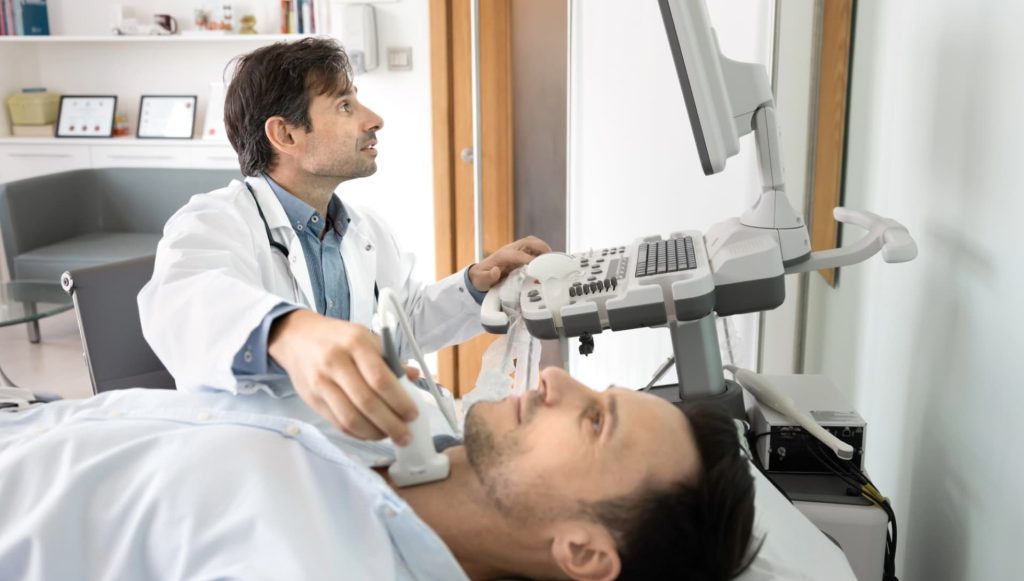
According to a 2022 study, the most frequently misdiagnosed cancers include colorectal, lung, breast, prostate, and bladder. Each of these cancers highlights a different aspect of the diagnostic challenge: the need for vigilance, thorough testing, and structured communication within healthcare systems. Removing those elements, a person’s cancer is likely to go undetected, leaving their life irreversibly changed.
Common Breakdown Points in the Diagnostic Journey

In a properly functioning system where cancer is diagnosed, the following steps would take place: (1) clinical evaluation and symptom recognition; (2) diagnostic testing; (3) interpretation; (4) referral to specialist; and (5) follow ups. Yet at every step along that path, opportunities for error arise. A single lapse, whether from human oversight, system flaws, or poor communication can cause a cascade of delays and harm.
Clinical Evaluation and Symptom Recognition
The diagnostic process begins with the patient’s story. This stage involves the patient reporting symptoms and the clinician interpreting those symptoms. This seems straightforward so, what could go wrong? Clinicians might underestimate or misclassify reported symptoms. Fatigue, weight loss, or intermittent pain are often dismissed as stress-related or gastrointestinal rather than investigated as potential red flags for cancer. Sometimes clinicians are overly confident in a non-cancer diagnosis that they fail to explore the possibility of cancer. Because of time restraints in an overbooked medical care setting, a clinician might not have enough time to explore a full differential diagnosis or to consider cancer in younger patients whose demographics seem inconsistent with disease risk. Implicit bias can also shape clinical judgment. Assumptions about age, gender, race, or lifestyle lead to incomplete assessments. In effect, diagnostic errors often start not with a test but with a missed question, a rushed conversation, or an incomplete or inaccurate understanding of the patient’s history.
Diagnostic Testing
Even when cancer is suspected, the next step, ordering the correct tests in a timely manner, is another common point of failure. For example, for a patient with rectal bleeding, the doctor may diagnose hemorrhoids instead of referring the patient for a colonoscopy to look for colon cancer. Or a persistent cough may be managed as bronchitis rather than the doctor ordering a chest x-ray or CT scan which could have shown lung cancer.
Interpretation
Even when tests are ordered, their value depends on accurate interpretation. Radiology and pathology are the fields that translate raw data into diagnostic conclusions. When a radiologist fails to identify an abnormality, underestimates its significance, or fails to communicate uncertainty clearly to the referring physician, those are errors that significantly affect the patient’s trajectory. For instance, small lung nodules might be labeled as benign scarring when they represent early-stage cancer. Pathology errors are equally critical. Because pathology reports serve as the definitive basis for cancer diagnosis, even a minor error can result in incorrect or delayed treatment.
Referral to a Specialist and Follow Up
A breakdown in referral or follow up is one of the most preventable, yet common, sources of diagnostic failure. Doctors may order imaging but never receive the report, or they receive it but don’t review it. Had the doctor reviewed the report, they would have referred the patient to an appropriate cancer specialist to begin developing a treatment plan.
Sometimes patients suffer when a doctor simply fails to follow up. If a report from radiology or pathology hasn’t been received, the doctor should take steps to obtain it. If an abnormal test result is flagged, the staff member who notices it should ensure it is addressed. And if a patient does not schedule a follow-up appointment, the doctor’s office should proactively reach out to get it on the calendar.
These are not just individual errors. They are system failures. In busy practices with fragmented communication channels, the responsibility for follow up can fall through the cracks. A lack of structured tracking systems means that “no news” is too often wrongly assumed to be “good news.”
Systemic and Human Factors
Finally, behind every diagnostic error lies a web of systemic and human contributors. Heavy workload, inadequate staffing, and information overload are pervasive issues in modern healthcare. A single physician may be responsible for reviewing dozens of lab results and imaging reports each day, increasing the likelihood that they will fail to notice an abnormal finding.
Electronic medical record systems, while designed to improve safety, can paradoxically contribute to missed diagnoses when alerts are ignored or buried under a flood of automated notifications. The risk is further compounded by miscommunication among providers, especially across different facilities or departments.
Mislabeling samples, contamination, or technical malfunction during analysis are all laboratory errors that can yield incorrect results, sending clinicians down the wrong diagnostic path.
And as mentioned above, cognitive biases can also shape how data is interpreted and which possibilities are considered or dismissed.
The Impact When Cancer Is Misdiagnosed
When cancer is misdiagnosed, the consequences reach far beyond the moment of medical error. What begins as a lapse in testing or communication can reshape every part of a patient’s life and the lives of those closest to them. The toll is physical, emotional, and financial, and often the harm cannot be undone even after the mistake is discovered. Understanding these impacts is essential not only for patients seeking justice but also for a healthcare system that must recognize the human cost of diagnostic failure.
Physical Consequences
Time is everything in cancer care. The difference between early detection and late-stage diagnosis can determine whether treatment is curative or merely palliative. When a cancer is missed, misclassified, or diagnosed too late, the disease has time to progress. In other words, mistakes mean that tumors grow, metastasize, and invade other organs, often changing a manageable condition into one that is life-threatening.
Delayed treatment isn’t the only cause of physical harm. False positives and incorrect cancer types bring their own form of suffering. A patient who is wrongly told they have cancer may undergo surgery, chemotherapy, or radiation that was never needed. These treatments can cause lasting organ damage, infertility, pain, and fatigue. For those misdiagnosed with the wrong cancer type, ineffective treatment can allow the true disease to advance unchecked.
Lastly and obviously, the most devastating of the physical consequences related to cancer misdiagnosis is death.
Emotional Consequences
The emotional fallout from a cancer misdiagnosis is profound and often overlooked. Patients enter the diagnostic process seeking clarity, trust, and hope. When those expectations collapse, the psychological damage can be as deep as the physical one.
For those who experience a delayed or missed diagnosis, the realization that precious months or years were lost can be devastating. Many describe feelings of anger, betrayal, and confusion. They question not only their doctors but their own instincts for trusting the medical system. Even after treatment begins, victims of misdiagnosis can suffer from anxiety about recurrence or further mistakes.
Families share in this emotional burden. Loved ones often feel helpless watching the person they care for suffer through delayed treatment or invasive procedures that could have been avoided. Like the loved one undergoing treatment, family members’ trust in the medical profession starts to erode, which can lead to unpleasant exchanges between them and the doctors, making future healthcare interactions stressful or adversarial.
Financial Consequences
Cancer care is expensive even under the best circumstances. When a diagnosis is wrong or delayed, those costs increase exponentially. Patients may face additional surgeries, prolonged hospitalizations, advanced-stage therapies, or experimental treatments that would have been unnecessary with an earlier and accurate diagnosis.
In addition to the mounting pile of bills, a patient and their family can be affected by the time-consuming consequences of cancer care. Many patients are forced to take extended leave from work or leave employment entirely due to disease progression or aggressive treatment regimens. Sometimes, family members have to take time off from work to help their loved one undergo treatment. Families often absorb secondary costs such as travel to specialized centers, home modifications, or the need for full-time caregiving. Even the most inclusive insurance plans don’t cover every single expense so there are insurance coverage gaps that can add to the lost income to create a maelstrom of financial instability.
Legal Considerations
The financial harms described above intersect directly with legal considerations. A misdiagnosis often stems from medical negligence, also known as medical malpractice. For example, a doctor might feel a lump in a patient’s throat but fail to order the appropriate tests. Or a radiologist might review a chest X-ray and miss markings that indicate lung cancer. In another scenario, the radiologist did detect the cancerous masses and sent a report about them to the referring physician, who never saw the report and never followed up for it from the radiologist’s office. All of the above can be related to an individual’s failure to provide competent care to the patient, or a systemic failure involving multiple factors of lapses in care. In these instances, the patient may have a valid medical malpractice claim that they can file against the healthcare providers who failed to provide proper care. Once they file the lawsuit and the lawyers on both sides conduct an investigation of the circumstances of the case, there is a chance that the patient will be compensated for their losses. Compensation can help address tangible losses like medical expenses and lost wages, as well as non-economic damages for pain, suffering, and emotional distress, explained in further detail below.
However, litigation is not only about recovering money. It is often the only avenue through which families can obtain answers and accountability. Lawsuits can expose systemic failures, leading hospitals and clinics to reform procedures, improve communication, and implement safety protocols to prevent similar harm.
What to Do if You Suspect a Cancer Misdiagnosis

Suspecting that a cancer diagnosis is wrong or delayed is frightening and confusing. The next steps you take matter both for your health and for any future legal options. Below is a clear, action-oriented roadmap you can follow immediately. Each step is designed to protect your medical care, preserve crucial evidence, and position you to make informed decisions about treatment and accountability.
- Request and collect all medical records (imaging, labs, pathology reports)
Ask for a complete copy of your medical records from every provider, clinic, hospital, imaging center, and laboratory that treated you. You will want to collect imaging studies, radiology reports, pathology reports, biopsy slides, operative notes, clinic visit notes, lab results, discharge summaries, and all referral documents.
You will likely need to use a HIPAA authorization form to request your medical records. Most institutions will accept a signed release and provide electronic copies upon request. They may charge an administrative fee. Ask explicitly for original images and reports rather than just a summary. For imaging, request the DICOM files or CD. For pathology, ask for the original slides or a high-quality glass slide scan.
Keep copies for yourself and store them securely. If you receive only summaries, follow up to obtain the originals. Track the date you requested the records and the date they were provided.
- Organize a second opinion from an oncology specialist or pathology expert
Arrange for an independent review as soon as possible. A second opinion should include a pathology slide review and a reread of imaging by specialists with relevant expertise. Board certified pathologists and subspecialty radiologists at major cancer centers or academic hospitals are often the best choice.
Provide the reviewers with the full medical record and originals or scans of slides and images. Ask for a written report that clearly states whether the second reviewer agrees with the original diagnosis or identifies discrepancies. Obtain contact information so the reviewer can be reached to clarify their findings if needed.
- Document symptom history, timeline of events, and communication gaps
Create a detailed timeline listing dates, symptoms, doctor visits, tests ordered, test results, and any conversations you had with providers or staff. Note missed appointments, delayed callbacks, and any instructions you were given that were not followed.
Save all communications including emails, patient portal messages, text messages, and voicemails. If you spoke with staff by phone, write down dates, times, and names of the people you spoke with. Maintain photographs of physical findings or of written clinic instructions.
A clear, contemporaneous timeline not only helps medical reviewers understand the clinical course but also serves as critical evidence in any legal review.
- Consult legal counsel experienced in medical misdiagnosis such as VSCP LAW
If the above sounds overwhelming, rest assured an experienced medical malpractice attorney can help you through every step of the way. The emphasis is on the word experienced. Experience matters because medical malpractice cases are highly complex and technical. An experienced medical malpractice firm has a team of lawyers who understand enough medicine and science to be able to review your medical records and determine if there was a lapse in proper care. A lawyer can evaluate whether what happened in your medical care suggests negligence. The lawyer can explain procedural rules that apply in your state. They will help preserve evidence that could otherwise be lost. They will request medical review by an expert in the field of medicine in which the negligence occurred. They will advise you on communications with healthcare providers and insurers. They will also explain the potential remedies available, including compensation for medical expenses, lost wages, and pain and suffering. And the lawyer can ultimately file a lawsuit on your behalf.
Many firms offer an initial consultation at no charge and handle claims on contingency, which means they are paid only if they win your case.
Why Timing Matters
Just as timing in cancer care is of the essence, so, too, is timing your medical malpractice lawsuit. Failure to file your lawsuit in time can literally bar you from ever filing the lawsuit. You don’t get a second chance to meet a deadline. The filing deadline is called a statute of limitations. The time you have to file a medical malpractice claim varies by state and can be relatively short. Acting quickly ensures you do not lose the right to bring a claim because of a missed deadline. And by “acting quickly,” we mean consulting with a medical malpractice attorney as soon as possible.
Another example of the time-sensitive nature of your medical malpractice lawsuit is the preservation of evidence. Physical evidence such as pathology slides and imaging studies may be discarded or degraded over time. Hospitals and labs often retain slides and images for a limited number of years, and original slides can be consumed or lost during routine handling. An early request for review helps ensure that these materials remain available for independent analysis.
Lawsuit aside, another reason time is of the essence in a misdiagnosis case is obviously patient wellbeing. The sooner a diagnostic error is identified the greater the chance that treatment can be adjusted to improve outcomes. Early intervention can change the clinical trajectory and may reduce the extent of necessary therapy. Prompt action also reduces avoidable suffering and supports better planning for both medical care and family needs.
If you suspect a misdiagnosis, act decisively but calmly. Document everything, collect your records, and consult an experienced medical malpractice attorney such as VSCP LAW to protect your rights. Taking these steps quickly preserves options and may improve both medical and legal outcomes.
Legal Options After a Misdiagnosis: How VSCP LAW Can Help
When a medical professional or a medical team misdiagnoses cancer, patients and families are understandably hurt and angry. They wonder how such a serious mistake could happen and whether anyone will be held accountable. Pursuing legal action after a misdiagnosis is not just about financial recovery. It is also about accountability, transparency, and creating a system where fewer families experience the same preventable harm. The law provides a framework for patients to seek justice and ensure that healthcare providers and institutions uphold the standards of care that every patient deserves.
Filing a medical malpractice claim after a cancer misdiagnosis is a way to demand answers and promote systemic change. It brings attention to failures in diagnostic practices, encourages hospitals to review safety protocols, and highlights the importance of early detection and communication. For many families, legal action becomes a form of advocacy. It becomes a means of preventing similar errors from harming others in the future.
VSCP LAW approaches every misdiagnosis case with this dual mission in mind: to obtain justice for the individual client and to drive improvement within the healthcare system. The firm understands that most clients do not come seeking revenge but resolution. They want acknowledgment, accountability, and assurance that lessons will be learned from what went wrong.
What may be recoverable
While each case is unique, compensation in a cancer misdiagnosis claim can include both economic (quantifiable) and non-economic damages. The goal is to restore, as fully as possible, the losses the patient and family have endured due to negligent medical care. Recoverable damages may include economic damages such as:
- General medical expenses: These are the medical expenses the patient had to expend to seek treatment for their cancer care.
- Additional medical expenses: When a misdiagnosis delays or misdirects treatment, patients often face new or intensified medical needs. Compensation for additional medical expenses can cover the cost of repeat tests, extended hospitalizations, surgeries, chemotherapy, radiation, rehabilitation, and long-term care.
- Lost income and earning capacity: Many patients lose substantial income due to extended illness, disability, or job loss caused by progression of disease. Legal recovery can address both immediate lost wages and the long-term loss of earning potential.
The plaintiff in the medical malpractice lawsuit may also collect non-economic damages, such as:
- Pain and suffering: Cancer that goes untreated or is improperly treated often causes physical pain and invasive procedures that could have been avoided with timely diagnosis. Damages for pain and suffering acknowledge this physical hardship.
- Emotional distress: Beyond the physical impact, misdiagnosis inflicts severe psychological harm. Patients and families experience anger, anxiety, depression, fear, and a sometimes-permanent loss of trust in the medical system. Emotional distress damages recognize these non-economic yet deeply real consequences.
- Loss of consortium and companionship: When a misdiagnosis affects family relationships, whether through loss of a loved one or the strain of prolonged illness, the law allows recovery for the personal impact on spouses and dependents.
VSCP LAW carefully documents all aspects of the client’s loss, working with medical economists, vocational experts, and healthcare specialists to present a complete and persuasive case for compensation.
VSCP LAW: skilled medical malpractice attorneys who provide compassionate client service
VSCP LAW is a nationally respected law firm with a strong record of success in complex medical malpractice and catastrophic injury cases. The firm’s attorneys bring several decades of combined experience in handling cancer misdiagnosis, delayed diagnosis, and other diagnostic-error cases. Their team has recovered significant verdicts and settlements for clients whose lives were altered by medical negligence. What sets VSCP LAW apart is not just results, it is the way they treat the people behind each case.
The firm is known for its outcome-focused, compassionate representation. Every case is handled with the understanding that clients are often navigating one of the most difficult chapters of their lives. VSCP LAW provides support from the first consultation through resolution, explaining every step clearly, answering questions promptly, and ensuring that clients are never left in the dark about their legal options or case progress.
In addition to legal expertise, VSCP LAW brings a deep understanding of the medical science behind cancer misdiagnosis. Their attorneys work closely with leading oncologists, radiologists, and pathologists to review records, identify where diagnostic standards were breached, and present the evidence in a compelling and understandable way to judges and juries.
The Path Forward
A cancer misdiagnosis can shatter trust, alter health outcomes, and disrupt every aspect of life. But patients and families are not powerless. Through skilled legal representation, it is possible to seek justice, secure compensation, and hold negligent providers accountable. VSCP LAW stands ready to guide clients through that process. They do so with experience, compassion, and unwavering commitment to uncovering the truth.
If you or a loved one has suffered because a cancer was missed, delayed, or incorrectly diagnosed, VSCP LAW can help you understand your rights and options. Early consultation ensures that evidence is preserved, statutes of limitations are met, and your path toward justice begins as soon as possible.
Conclusion
Cancer misdiagnosis is more common than many people realize, and its consequences can be life altering. A delayed or incorrect diagnosis can change the course of treatment, affect survival, and place enormous emotional and financial burdens on patients and families. But you do not have to accept the status quo or suffer in silence. When the healthcare system fails to meet its duty of care, you have the right to demand answers and accountability. Legal action is not just about compensation; it is about ensuring that what happened to you does not happen to someone else.
If you suspect that your cancer was misdiagnosed or diagnosed too late, reach out to VSCP LAW for a no-cost, confidential evaluation of your case. Their experienced team will review the facts, explain your rights, and help you take the first steps toward justice and closure. You deserve clarity, accountability, and a voice in holding the medical system to its highest standard of care.