Childbirth is meant to be a moment of joy and celebration, yet for some families it is overshadowed by unexpected complications that leave a newborn injured. The types of birth injuries listed below refers to any harm suffered by a baby before, during, or after the labor and delivery process, often caused by physical pressure, oxygen deprivation, or medical interventions that go wrong. While many minor injuries resolve on their own within days or weeks, others can lead to lifelong challenges requiring ongoing medical care, rehabilitation, and specialized support.
(Read more about hiring a birth injury lawyer)

Birth injuries can range from superficial bruises to severe brain damage. Knowing the different types of birth injuries is critical for two reasons. First, early recognition allows for prompt medical intervention, which can dramatically improve the outcome for the child. Second, understanding the type and cause of the injury can help parents determine whether it might have been preventable, which is essential when exploring legal options for compensation.
Parents whose child suffered a birth injury can be easily overwhelmed. Along with the immediate medical crisis, they face an uncertain future filled with questions about prognosis, potential therapies, and how to manage the costs of long-term care. Understanding the nature of these injuries, what caused them, how they were handled, and what can be done to improve outcomes, is the first step toward both recovery and accountability.
If you are concerned that your child may have suffered an injury during birth, it is important to seek both medical and legal guidance without delay. Medical professionals can help diagnose and treat the condition, while an experienced birth injury attorney can review the facts and determine whether medical negligence may have played a role. At VSCP LAW, we have helped many families navigate these difficult circumstances and secure the resources they need for their child’s care.
Scalp and Superficial Head Trauma
The head and scalp are among the most vulnerable parts of a newborn’s body during delivery. Even in uncomplicated births, some degree of swelling or bruising can occur as the baby passes through the birth canal. However, in certain situations, the trauma can be more pronounced.

One of the most common scalp-related birth injuries is caput succedaneum. This condition involves swelling of the soft tissues on the top of the head, usually caused by pressure from the birth canal or from the use of delivery tools such as forceps or a vacuum extractor. Caput succedaneum is typically harmless and resolves within a few days, but its presence can be alarming to new parents because it changes the shape and appearance of the newborn’s head. The swelling is usually soft, crosses the midline of the scalp, and does not pose a long-term threat to the baby’s health.
Another condition, cephalohematoma, is more serious and occurs when blood collects between the baby’s skull and the periosteum, the membrane that covers the bone. This bleeding is often the result of a traumatic delivery or the use of extraction devices. Cephalohematomas are firmer to the touch than caput succedaneum and do not cross the midline of the head because the bleeding is confined to one bone. While the body can absorb the blood over a period of weeks, the breakdown of red blood cells can lead to jaundice, a condition in which bilirubin levels rise in the bloodstream and cause a yellowing of the skin and eyes. In severe cases, untreated jaundice can lead to kernicterus, a form of brain damage, and discussed more fully below.
Scalp lacerations and significant bruising can also occur when forceps or vacuum extractors are used improperly. While minor cuts can heal without complication, deeper lacerations may require stitches and carry a risk of infection. Beyond the immediate physical concerns, these injuries can be an indication that excessive force or poor technique was used during delivery, which may point toward medical negligence.
Management of these conditions varies so it’s essential to understand the difference among them. Caput succedaneum generally needs only observation, while cephalohematoma requires monitoring for jaundice and, in rare cases, surgical drainage. Scalp lacerations require proper wound care. A prompt and accurate diagnosis can prevent complications and help determine whether the injury was avoidable.
Bone Fractures and Skeletal Trauma
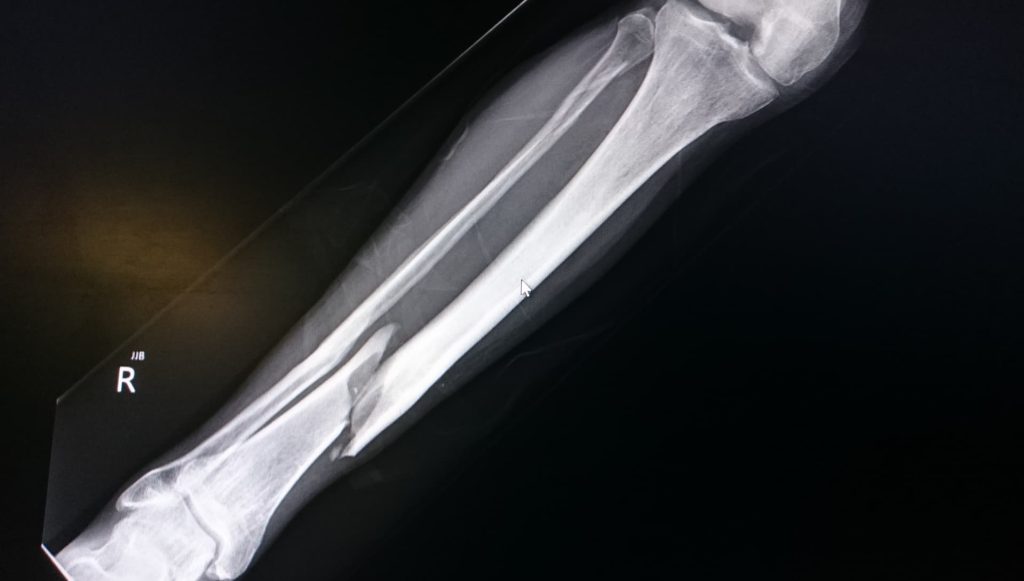
Although newborn bones are softer and more flexible than those of older children and adults, they are still susceptible to fractures during the stress of birth. Clavicle fractures are among the most common skeletal injuries seen in newborns, often occurring when the baby’s shoulders have difficulty passing through the birth canal, a condition known as shoulder dystocia. This situation is a true obstetric emergency and requires swift, skilled maneuvers to free the baby without causing harm. Unfortunately, in some cases, the doctor applies excessive force, leading to broken bones.
A broken clavicle in a newborn may be suspected if the baby does not move one arm or cries when that arm is handled. Treatment typically involves immobilizing the arm for a period of time, until the fracture heals. However, the fact that the fracture occurred in the first place may signal that delivery techniques were mishandled or that risk factors were not adequately addressed during labor.
Fractures can also occur in other bones, including the humerus (upper arm bone) or even the bones of the skull. Skull fractures are less common but can result from improper use of forceps or from significant head compression. While some skull fractures in newborns can heal without surgical intervention, they can also be associated with brain injuries, making thorough evaluation critical.
In rare cases, a baby could suffer from more complex fractures involving the limbs or ribs. These can be particularly concerning if they occur in the absence of a clearly difficult delivery, as they may point to improper handling of the baby immediately after birth.
From a legal perspective, skeletal injuries raise important questions, including “Did the delivering physician recognize signs of a large baby or a narrow maternal pelvis before labor began?” and “Were appropriate steps taken to minimize the risk of shoulder dystocia or prolonged, difficult delivery?” The answers to these questions can determine whether a fracture was an unavoidable outcome or the result of negligent care.
Nerve Injuries and Plexus Damage
Nerve damage during childbirth can cause lasting weakness, loss of sensation, or paralysis in affected areas. The most well-known nerve injury is brachial plexus injury, which occurs when the network of nerves that controls the shoulder, arm, and hand is stretched or torn during delivery.

Erb’s palsy is a common type of brachial plexus injury. Erb’s palsy affects the upper nerves of the brachial plexus and results in weakness or paralysis of the shoulder and upper arm. In some cases, the arm hangs limply at the baby’s side with the forearm turned inward. Klumpke’s palsy, a less common variant, affects the lower nerves and can cause weakness in the hand and wrist. These injuries often occur in situations involving shoulder dystocia, especially if the doctor used excessive force to free the baby’s shoulder.
Another nerve-related injury is facial nerve paralysis, which may be caused by pressure on the baby’s face during delivery, sometimes from forceps blades. This can result in one side of the face appearing drooped, especially when the baby cries. Cases may result in severe nerve damage and may require surgical repair.
The prognosis for nerve injuries varies widely. Some infants recover full function while others have permanent limitations. Early intervention is key and parents may need to arrange for consistent follow-up with specialists.
Nerve injuries can be strong indicators of delivery mismanagement. They often occur when a physician: (a) fails to use accepted techniques to resolve shoulder dystocia or (b) applies excessive force during assisted delivery. To determine whether malpractice occurred, your medical negligence attorney will undertake a detailed review of delivery records as well as consult with a medical expert.
Brain Trauma and Oxygen Deprivation
Among the most serious types of birth injuries are those that affect the brain. Because an infant’s brain is still developing, even brief interruptions to their oxygen supply or minor trauma can have profound and lasting effects. Brain injuries during birth often arise from complications that either reduce the flow of oxygenated blood to the brain or cause direct physical damage to brain tissue. These injuries are sometimes visible right away, while in other cases the signs emerge gradually over the weeks, months, or even years following delivery.
One of the most well-known and devastating birth-related brain injuries is Hypoxic-Ischemic Encephalopathy, commonly referred to as HIE. This condition occurs when an infant’s brain does not receive enough oxygen (hypoxia) and blood flow (ischemia) for a sustained period during labor or delivery. Causes of HIE can include prolonged labor, umbilical cord problems such as cord prolapse or cord compression, placental abruption, or severe maternal hypotension. When oxygen deprivation lasts more than a few minutes, brain cells begin to die, leading to widespread neurological injury.
The severity of HIE varies widely. In some infants, the oxygen deprivation is brief, and with prompt medical intervention (such as therapeutic hypothermia to slow brain damage), children may recover with few lasting effects. In more severe cases, however, HIE can result in cerebral palsy, epilepsy, developmental delays, or cognitive impairments that affect the child’s abilities throughout their life. In newborns, signs of HIE may include low Apgar scores, difficulty initiating breathing, abnormal muscle tone, seizures, or a lack of responsiveness to touch and sound. Later on, delayed milestones or unusual movement patterns may signal the longer-term effects of the injury.
Another category of birth-related brain trauma involves intracranial hemorrhages, or bleeding within the skull. These can occur when delicate blood vessels rupture, either from direct trauma during delivery or from the stresses of being born prematurely. Subdural hemorrhages (bleeding between the brain’s surface and the outermost covering called the dura mater) are often linked to difficult or instrument-assisted deliveries. Subarachnoid hemorrhages, which involve bleeding between the brain and the thin tissues that cover it, may be associated with both trauma and oxygen deprivation.
Intracranial hemorrhages can be particularly dangerous because they increase pressure inside the skull, compressing delicate brain structures. In severe cases, this pressure can quickly lead to permanent damage or death if not treated immediately. The symptoms in newborns can be subtle such as irritability, poor feeding, lethargy, or abnormal eye movements. Or the symptoms can be dramatic, with seizures or sudden collapse. To confirm the diagnosis and determine the extent of the bleeding, healthcare providers can perform imaging tests like cranial ultrasounds, CT scans, or MRIs.
Cases involving HIE or intracranial hemorrhage often raise serious questions about whether the medical team acted quickly and appropriately when complications arose. Was fetal distress recognized and addressed in time? Were there delays in ordering an emergency cesarean section when it was clearly indicated? Was proper monitoring in place during labor to detect changes in the baby’s oxygen levels? These are critical issues because timely intervention can mean the difference between a healthy recovery and permanent disability.
The long-term consequences of brain trauma and oxygen deprivation depend heavily on the location, size, and severity of the injury, as well as how quickly treatment is initiated. Some children recover fully, especially if the injury was mild and addressed promptly. Others may face lifelong challenges that require ongoing medical care, physical therapy, occupational therapy, or specialized educational support.
Central Nervous System and Spinal Cord Injury
Injuries involving the central nervous system and the spinal cord can be among the most serious birth injuries. While far less common than scalp swelling or clavicle fractures, these injuries can result in profound and lasting impairment. The spinal cord serves as the main communication highway between the brain and the rest of the body, and any damage to it during birth can have catastrophic consequences.
Spinal cord injuries in newborns often result from excessive traction or twisting during delivery, particularly in cases where the baby is in a breech position or when there is significant shoulder dystocia. In rare cases, difficult use of forceps or vacuum extraction can exert forces on the neck and back that the infant’s delicate structures are not able to withstand. The result may be partial or complete paralysis, loss of sensation below the injury site, or respiratory difficulties if the injury occurs high in the cervical spine.
Because spinal cord injuries in infants are rare, they are sometimes misdiagnosed at first. Symptoms such as limpness in the limbs, absence of certain reflexes, or difficulty breathing might initially be attributed to other causes. However, MRI imaging and neurological evaluation can confirm the diagnosis. When such injuries occur, they often require immediate intervention from a neonatal intensive care team, as well as ongoing treatment from specialists in pediatric neurology, orthopedics, and physical medicine.
In some instances, excessive force, improper delivery techniques, or failure to recognize warning signs of obstructed labor may have played a role. When that is the case, the legal implications are significant. Establishing whether the doctors met the standard of care requires a detailed review of delivery records, fetal monitoring strips, and testimony from experts in obstetrics and neonatology.
In addition to traumatic injuries to the spinal cord, there are neurological conditions that, while not always directly caused by physical trauma, may develop because of oxygen deprivation or other complications during delivery. Two notable examples are hydrocephalus and periventricular leukomalacia (PVL).
Hydrocephalus is an abnormal buildup of cerebrospinal fluid in the brain’s ventricles. In newborns, this can occur after bleeding in the brain, infection, or trauma. The increasing pressure inside the skull can lead to brain damage if not treated promptly, often requiring surgical intervention such as the placement of a shunt to drain excess fluid. PVL, on the other hand, is a form of white matter brain injury most often seen in premature infants. It can result from reduced blood flow or oxygen supply to the developing brain and is strongly associated with motor disorders like cerebral palsy.
Although hydrocephalus and PVL are sometimes inevitable consequences of extreme prematurity or other high-risk conditions, there are cases where prompt medical recognition and intervention could have minimized their impact. Parents who suspect a connection between labor management decisions and these outcomes may have grounds to explore a birth injury claim.
Other Notable Complications and Rare Injuries
While many birth injuries fall into the better-known categories of scalp trauma, nerve damage, or oxygen deprivation, there are several rare but serious conditions that deserve attention. These complications may not occur as often, but when they do, their impact can be significant and sometimes life-altering. Understanding these less common injuries is important for two reasons: they can be overlooked in the chaos of the newborn period and they may require rapid intervention to prevent worsening outcomes.
One example is kernicterus, a type of brain damage caused by extremely high levels of bilirubin in a newborn’s blood. While mild jaundice is common and typically harmless, certain situations can cause bilirubin to rise to dangerous levels. Cephalohematomas from birth trauma can contribute by increasing the breakdown of red blood cells. In cases of blood type incompatibility between mother and baby, the risk is higher still. Newborn jaundice is typically treated with phototherapy or, in severe cases, exchange transfusion. But if the newborn’s jaundice is not recognized and treated properly, bilirubin can cross into brain tissue, leading to permanent neurological damage. Symptoms such as extreme lethargy, high-pitched crying, poor feeding, or unusual muscle tone changes can be early warning signs that require immediate medical attention.
Another serious but less frequent complication is meconium aspiration syndrome (MAS). Meconium is the baby’s first stool. In some deliveries, a baby will pass meconium before birth. If this material mixes with the amniotic fluid and is inhaled into the baby’s lungs during delivery, it can block airways and cause severe respiratory distress. In mild cases, extra monitoring and supplemental oxygen may suffice, but more severe cases may require intubation, mechanical ventilation, or even specialized treatments like extracorporeal membrane oxygenation (ECMO). The presence of thick meconium-stained fluid in the amniotic sac during labor is a sign that medical staff must be vigilant in monitoring the baby’s breathing immediately after delivery.
Complications from vacuum or forceps-assisted deliveries can also lead to rare but serious injuries. While these tools can be lifesaving in situations where the baby must be delivered quickly (e.g., when the fetal heart rate drops), they increase the risk of skull fractures, scalp wounds, and internal bleeding. The decision to use such devices must be made carefully, weighing the urgency of delivery against the risk of injury. When a doctor uses excessive force or poor technique, they are increasing the likelihood of significant harm.
Another complication can arise even from minor trauma during delivery. If a baby has a certain clotting disorder, they may be more prone to bleeding complications. Premature infants are particularly vulnerable to brain bleeds and respiratory complications due to their fragile systems. In these cases, early diagnosis and specialized neonatal care are critical to preventing long-term damage.
While each of these complications is statistically less likely than the more common birth injuries, their potential severity means that parents and medical professionals must remain alert to even subtle symptoms in the days and weeks following delivery. Rare does not mean harmless, and timely intervention can often make the difference between a full recovery and a lifelong disability.
Why Each Type Matters
Understanding the specific type of birth injury a child has suffered is far more than an exercise in medical classification. Each category carries different implications for immediate treatment, long-term care, and the potential role of medical negligence.
From a medical standpoint, accurate diagnosis guides the care plan. For example, a baby with a clavicle fracture will require a completely different set of interventions than a baby with hypoxic-ischemic encephalopathy. In nerve injuries like Erb’s palsy, early physical therapy can sometimes restore significant function. With oxygen deprivation injuries, however, the window for preventing further brain damage may be only hours. Misdiagnosis or delayed recognition can lead to missed opportunities for treatment that could have improved the child’s outcome.
From a legal perspective, knowing the precise injury type can help determine whether there was a deviation from the accepted standard of care. For instance, if a baby develops HIE due to prolonged labor and there was a clear failure to act on abnormal fetal heart rate patterns, that may indicate negligence. In contrast, some injuries occur despite competent care, especially in emergencies where the risks are unavoidable.
To help separate what may have been an unavoidable injury from what may have been a preventable injury, attorneys will have to spend time analyzing the medical records. They also will likely consult with experts who specialize in the particular area of medicine that was at issue during their child’s birth injury. The expert might specialize in, e.g., labor and delivery, obstetrics, neonatology, or pediatric neurology. And the expert will be asked to review the medical records and determine whether the physicians’ actions and omissions fell below the standard of care. In other words, the expert should compare the doctor’s actions to what a reasonably skilled and careful provider in the same field would have done under similar circumstances.
From a family planning perspective, the injury type shapes expectations for the child’s future needs. Indeed, when a child suffers a birth injury, the road ahead often involves more than just a brief hospital stay.
In the earliest days and weeks after birth, medical interventions may include surgeries to correct structural problems; medications to manage symptoms such as seizures or muscle spasticity; and the initiation of physical, occupational, or speech therapies designed to maximize recovery potential.
As the child grows, they will need ongoing medical management, including regular appointments with pediatric specialists to help monitor the child’s progress and address any emerging health issues. They will need imaging studies and diagnostic tests to assess healing or detect complications. Many children will require continued medications to control chronic conditions like epilepsy or muscle tone abnormalities caused by nerve or brain injuries.
Beyond medical care, birth injuries often affect a child’s cognitive, motor, or communication abilities, necessitating developmental and educational support. To help ensure that the child has access to optimum learning environments, they may need special education services, including individualized education plans (IEPs) tailored to the child’s unique needs. To help the child engage with their surroundings and maintain independence, they may need assistive technologies, such as communication devices or mobility aids. To further support the child’s ability to thrive in school and social settings, they may require accommodations and adaptive learning strategies.
Therapeutic interventions frequently continue throughout childhood and, in some cases, into adulthood. Physical therapy plays a key role in strengthening muscles, improving balance, and enhancing coordination. Occupational therapy focuses on daily living skills, enabling the child to perform tasks like dressing, eating, or grooming. Speech and language therapy supports communication abilities and can also address difficulties with swallowing. For children facing emotional or behavioral challenges related to their injury, counseling or behavioral therapy may be beneficial.
Families may also need to make adjustments at home to create a safe and supportive environment. Home adjustments may include installing wheelchair ramps, widening doorways, modifying bathrooms for accessibility, and obtaining specialized beds and seating systems. To ensure that the child can travel safely and comfortably, they may need transportation adaptations, such as vehicle modifications.
For many families, the journey does not end with childhood. When birth injuries result in permanent disabilities, ongoing care and support often continue into adulthood. Adults with lifelong impairments may require continued medical supervision, physical and occupational therapy, personal care assistance, and support with employment through vocational training or supported job programs. The family needs to plan for these long-term needs, both financially and practically, in order to secure the child’s well-being and dignity over their lifetime.
Finally, it is essential to recognize that birth injuries affect not only the child but the entire family. Parents, siblings, and caregivers may experience emotional strain, stress, and burnout. These caregivers may need to seek counseling, family therapy, and respite care. They may join peer support groups that provide critical relief and connection during what is often a challenging journey.
Ultimately, understanding the type of birth injury that your child suffered ensures that the child receives the most appropriate care, the family has accurate information to guide decisions, and, where applicable, those responsible for preventable harm are held accountable.
What To Do If You Suspect a Birth Injury
The period immediately after birth is often overwhelming, with emotions running high and attention focused on the newborn’s feeding, sleep, and basic health. However, parents are often the first to notice subtle signs that something may not be right. If the parents suspect a birth injury occurred, they should act quickly.
Recognizing early signs is the first step. A parent may notice indicators of a birth injury within hours of delivery, but it may take the parent days or weeks to notice them. Signs of a birth injury include unusual muscle tone, persistent weakness or lack of movement in a limb, difficulty feeding, seizures, prolonged jaundice, or irregular breathing patterns. While some newborn quirks are harmless, it is far better to raise concerns promptly and have them evaluated than to wait and risk a worsening condition.
Seeking medical follow up care should be the next move. A pediatrician can perform a thorough examination and order additional testing, such as imaging scans, neurological evaluations, or blood work. Depending on the findings, the pediatrician may make referrals to specialists like pediatric neurologists, orthopedists, or physical therapists. And parents can try to take advantage of early intervention programs, often available through local health departments, that will help with the child’s developmental delays or motor issues.
Documenting everything is equally important, especially if you suspect the injury may have been preventable. Keep copies of all medical records, hospital discharge summaries, and test results. Write down your observations, including when you first noticed symptoms and how they have progressed. If possible, take photos or videos of physical signs such as swelling, bruising, or limited movement.
This documentation becomes crucial if you choose to consult a birth injury attorney. At VSCP LAW, we guide families through the legal process with compassion and precision. We start by reviewing the complete medical history, seeking input from leading medical experts, and determining whether the injury was the result of a deviation from accepted medical practices. If negligence is found, we pursue compensation to help cover medical expenses, therapy costs, and the emotional toll on the family.
Even if you are uncertain whether an injury was avoidable, it is worth talking to a lawyer and having your case evaluated. Many families find that simply understanding what happened and why provides a measure of relief. And if the attorney finds that the healthcare team was negligent, they can file a lawsuit, which can prevent similar harm to other families in the future.
Protecting Your Child’s Future: Next Steps for Families
Birth injuries are a deeply personal and often overwhelming experience for families. While some are mild and resolve with minimal intervention, others can alter the course of a child’s life. From scalp and skeletal trauma to nerve damage, brain injury, and rare complications, each category presents unique challenges in diagnosis, treatment, and long-term care.
Understanding the specific type of injury helps parents secure the right medical interventions, anticipate future needs, and determine whether negligence played a role. It also ensures that no time is lost in starting therapy or obtaining financial and legal support.
If you suspect your child has suffered a birth injury, trust your instincts. Seek prompt medical evaluation, document your observations, and consider a legal review. At VSCP LAW, we have the expertise and resources to guide you through every step, from securing expert medical opinions to fighting for the compensation your family deserves.
Your child’s health and future are too important to leave to chance. Contact VSCP LAW today for a free, confidential case review and take the first step toward clarity, support, and justice.