
A correct cancer diagnosis opens the door to timely treatment, informed choices, and realistic planning. A wrong diagnosis can close that door, sometimes for months or years, while the disease progresses or while a patient undergoes treatment they never needed.
This article explains the most commonly misdiagnosed cancers by doctors, what conditions they commonly confuse with cancer, and why these mistakes happen. It also outlines warning signs that justify further testing or second opinions and explains what steps patients and families can take after a missed, delayed, or false cancer diagnosis.

Cancer Misdiagnosis: What Counts as a Wrong Diagnosis
When people hear the phrase cancer misdiagnosis, they often picture a single dramatic mistake, such as a doctor overlooking an obvious tumor on a scan. In real life, cancer misdiagnosis takes several forms, many of which unfold slowly and quietly across multiple appointments. Below are four common scenarios in which there is a breakdown in the diagnostic process, resulting in a misdiagnosis.
Missed Cancer, or Failure to Diagnose
In this situation, a patient has cancer, but the provider never identifies it. The doctor may attribute symptoms to a non-cancer condition and stop looking further. For example, a patient may repeatedly report unexplained weight loss, pain, or bleeding, yet the provider treats each symptom as a separate issue without considering cancer as a possibility. So, the provider fails to order tests that could reveal cancer. Or the provider fails to follow up on abnormal findings. As a result, the cancer continues to grow, untreated.
Delayed Diagnosis
Here, the provider eventually diagnoses cancer, but only after an unreasonable lapse of time. Delay refers to situations where warning signs appeared, yet no timely action followed. This often happens when patients return again and again with the same complaint, receive repeated treatments for a presumed benign condition, and never receive escalated testing or referral. Delay can also occur when test results show abnormalities, but no one communicates the results clearly or schedules next steps. Even when cancer treatment ultimately begins, lost time can mean more advanced disease and fewer options.
Misclassified Cancer
In these cases, the provider identifies cancer but gets critical details wrong. The cancer type, location, or stage may be incorrect. A patient may receive a diagnosis of one cancer when another cancer actually exists, or a provider may underestimate how far the disease has spread. Misclassification can lead to the wrong treatment plan. For instance, a treatment that works for one cancer type may do little for another. Misclassification often stems from incomplete testing, interpretation errors, or lack of specialist input.
False Diagnosis
False diagnosis occurs when a provider tells a patient they have cancer when they do not. False diagnoses can arise from imaging findings that look suspicious, biopsy samples that do not represent the true tissue, or disagreements in pathology interpretation. While some people assume false cancer diagnoses rarely happen, they occur often enough to cause real harm. A false diagnosis can trigger fear, depression, and life-altering decisions. In some cases, patients undergo surgery, chemotherapy, or radiation they never needed.
People sometimes confuse misdiagnosis with overdiagnosis, but these terms describe different issues. Misdiagnosis involves error; something went wrong in the diagnostic process. Overdiagnosis, by contrast, involves detection rather than error. Overdiagnosis refers to identifying a real cancer that would never have caused symptoms or harm during the patient’s lifetime. This situation most often arises through screening tests. The key distinction lies in accuracy. In misdiagnosis, the diagnosis itself is wrong or incomplete. In overdiagnosis, the diagnosis is technically correct, but the cancer may not require treatment.
This topic matters because diagnostic error represents one of the most common patient safety problems in modern medicine. Research consistently shows that errors in diagnosis occur far more often than most people realize, especially in outpatient settings where cancer symptoms often first appear. Cancer misdiagnosis carries especially high stakes because time plays such a central role in outcomes. By understanding what counts as a wrong diagnosis, patients and families gain a clearer framework for asking questions, seeking second opinions, and protecting their health when something does not feel right.
Why Cancer Gets Misdiagnosed: The Most Common Failure Points

Cancer misdiagnosis rarely results from a single dramatic mistake. More often, small breakdowns occur at different points in the diagnostic process.
Symptom overlap with common conditions creates one of the biggest challenges. Many early cancers cause vague symptoms such as fatigue, pain, cough, or digestive changes. Providers often attribute these symptoms to far more common and benign conditions, especially during early visits.
Testing problems also play a major role. Providers may not order any diagnostic test, may order tests too late, or may choose a test that cannot reliably detect the cancer in question. Also, early reassurance after an initial test can create false confidence.
Imaging interpretation issues contribute when radiologists miss subtle findings or describe results as indeterminate without a clear follow up plan. Without scheduled follow up, abnormal findings can fade into the background.
Biopsy and pathology problems can arise when a sample does not capture the cancer, when specimens get mislabeled, or when interpretation errors occur. Even skilled pathologists can disagree on difficult cases.
Communication and referral breakdowns also drive misdiagnosis. Test results may not reach the right provider, abnormal findings may not trigger referrals, or patients may not receive clear instructions about next steps.
Research on outpatient diagnostic safety suggests that diagnostic errors affect roughly one in twenty adults each year, with serious harm in a meaningful subset of cases. This data underscores that misdiagnosis reflects a systemic problem. Understanding these failure points sets the stage for examining how specific cancers slip through the cracks.
The Most Commonly Misdiagnosed Cancers and What They Are Mistaken For
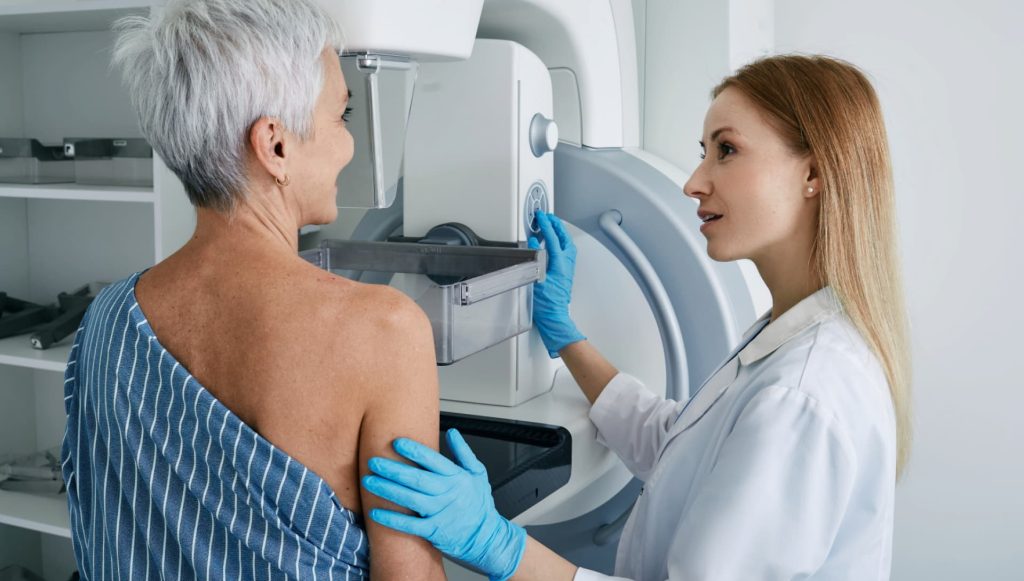
Breast Cancer Misdiagnosis
Breast cancer often presents in ways that challenge assumptions about what cancer looks or feels like. Many people expect a distinct, painless lump. When symptoms do not match that profile, the provider is more likely to misdiagnose.
Doctors often mistake breast cancer for fibrocystic breast changes, benign cysts, or mastitis and other inflammatory conditions. Inflammatory breast cancer, for instance, may not cause a discrete lump. Instead, it can cause redness, swelling, warmth, or skin changes that resemble infection.
Providers may miss breast cancer for the following reasons: (1) imaging does not reveal an obvious mass; (2) symptoms appear in younger patients; or (3) initial treatment for infection produces temporary improvement. A normal screening mammogram can also create false reassurance when symptoms persist.
Diagnostic imaging follow up and tissue sampling typically clarify uncertain cases. When symptoms continue or imaging raises concern, a biopsy often provides definitive answers. Patients should understand that reassurance without a clear explanation or plan should not end the diagnostic process.
Lung Cancer Misdiagnosis
Lung cancer frequently masquerades as routine respiratory illness, especially in its early stages. Providers often attribute cough, shortness of breath, or chest discomfort to infections or chronic lung disease.
Doctors commonly confuse lung cancer with pneumonia, bronchitis, asthma, or chronic obstructive pulmonary disease. Repeated antibiotic treatments can temporarily ease symptoms while cancer continues to grow.
Missed lung cancer often stems from repeated treatment of presumed infection without reassessment, subtle findings on imaging that escape notice, or failure to compare current imaging with prior studies. Early stage lung cancer may appear as a small or faint abnormality that requires careful follow up.
Colorectal Cancer Misdiagnosis
Colorectal cancer often develops quietly and produces symptoms that overlap with common gastrointestinal disorders. This overlap leads many patients down a long path of misdirected treatment.
Doctors often mistake colorectal cancer for irritable bowel syndrome, inflammatory bowel disease, hemorrhoids, or diverticulitis. Rectal bleeding frequently gets attributed to hemorrhoids, especially in younger patients (in fact, age-based assumptions can impede a proper diagnosis because many people view colorectal cancer as a disease more typically found in older adults).
Melanoma and Other Skin Cancers Misdiagnosed
Skin cancer diagnosis depends heavily on visual assessment and clinical judgment. Benign lesions can closely resemble malignant ones, especially in early stages.
Providers often mistake melanoma and other skin cancers for benign moles, age-related skin changes, or inflammatory skin conditions such as eczema or psoriasis. A provider may fail to detect subtle color changes or irregular borders.
Providers may choose to watch a lesion rather than sample it, even when warning signs appear thus leading to delayed biopsy.
Lymphoma Misdiagnosis
Lymphoma often presents with vague systemic symptoms rather than localized pain.
Doctors often mistake lymphoma for viral infections, allergies, or other inflammatory conditions. Swollen lymph nodes, fatigue, and night sweats may be signs of lymphoma but providers may miss lymphoma when they treat symptoms individually without considering a unifying diagnosis.
Ovarian Cancer Misdiagnosis
Ovarian cancer presents one of the greatest diagnostic challenges because early symptoms lack specificity and mimic many benign conditions.
Doctors often confuse ovarian cancer with gastrointestinal disorders, urinary tract infections, or general pelvic discomfort. Providers often miss ovarian cancer because they attribute bloating, urinary frequency, and abdominal pain to non-gynecologic origins.
Missed ovarian cancer often follows repeated visits for similar complaints without coordinated evaluation. Providers may treat each symptom in isolation rather than recognizing a pattern.
Prostate Cancer Misdiagnosis
Prostate cancer diagnosis involves screening decisions, symptom evaluation, and follow up.
Doctors often attribute urinary symptoms to benign prostate enlargement or infection. Misdiagnosis can occur when a patient’s screening results are abnormal and the doctor fails to follow up on them in a timely manner. Misdiagnosis can also occur when the provider gives the patient confusing information and no clear direction for monitoring symptoms.
Cervical and Uterine Cancer Misdiagnosis
Gynecologic cancers often present with bleeding or discharge that patients and providers may normalize or minimize.
Cervical cancer misdiagnosis can stem from Pap smear interpretation errors, failure to follow abnormal results with biopsy, or delayed referral. Uterine cancer often gets mistaken for hormonal changes or benign gynecologic conditions. Providers may brush off abnormal bleeding, especially in younger patients, or may treat symptoms without investigating the underlying cause.
Mesothelioma and Other Rare or Exposure Linked Cancers
Because providers encounter rare cancers infrequently, they simply lack the awareness and knowledge they should have about these types of cancers.
Mesothelioma often mimics other chest or lung diseases. Shortness of breath, chest pain, and fluid buildup resemble more common conditions.
Rarity works against patients because providers may not consider exposure history or may stop evaluation after common diagnoses. Referral to subspecialists and second opinions often prove critical in these cases.
Summary Table of Common Misdiagnoses
| Cancer type | Common look alike conditions | Typical next step that clarifies |
| Breast | Fibrocystic changes, mastitis | Diagnostic imaging, biopsy |
| Lung | Pneumonia, asthma, COPD | Repeat imaging, biopsy |
| Colorectal | IBS, hemorrhoids | Colon evaluation |
| Skin | Benign moles, eczema | Skin biopsy |
| Lymphoma | Viral illness, allergies | Imaging, node biopsy |
| Ovarian | GI disorders, UTI | Imaging, specialist referral |
| Prostate | Benign enlargement, infection | Urologic evaluation |
| Cervical uterine | Hormonal changes | Biopsy |
| Mesothelioma | Lung disease | Specialty imaging, biopsy |
What Can Be Mistaken for Cancer and Why False Diagnoses Happen
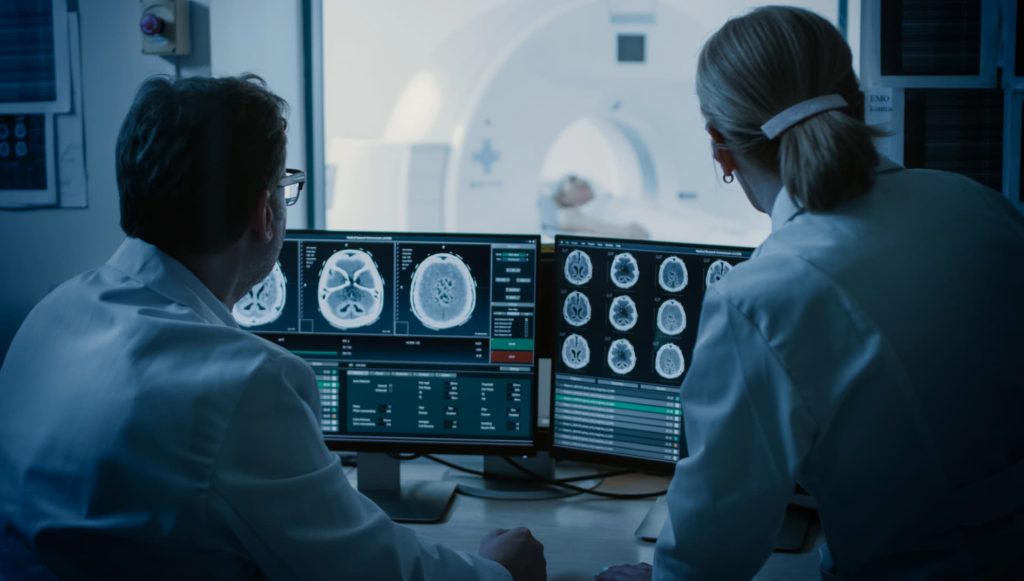
Certain non-cancer conditions repeatedly create confusion during the diagnostic process because they share symptoms, imaging features, or tissue characteristics with malignancy. This fast reference list pairs common non cancer conditions with the cancers they most often resemble. It also explains how false cancer diagnoses can occur without implying misconduct or rare catastrophe.
Infections resembling cancer
Bacterial, viral, and fungal infections frequently mimic cancer on imaging and physical examination. Pneumonia, tuberculosis, and fungal lung infections can resemble lung cancer because they create masses, nodules, or areas of consolidation on chest imaging. Bone infections can look like bone cancer due to localized pain and destructive changes on scans. Skin infections and abscesses can resemble inflammatory breast cancer or aggressive skin cancers when redness, swelling, and warmth dominate the presentation.
Inflammatory and autoimmune conditions resembling cancer
Inflammatory diseases often produce systemic symptoms that overlap with cancer, including fatigue, weight loss, fever, and pain. Sarcoidosis and other granulomatous diseases can mimic lymphoma or lung cancer because they cause enlarged lymph nodes and abnormal chest imaging. Inflammatory bowel disease can resemble colorectal cancer due to bleeding, anemia, and abdominal pain. Autoimmune thyroiditis can resemble thyroid cancer when nodules and abnormal lab results appear together.
Benign tumors and growths resembling cancer
Many benign growths closely resemble malignant tumors until tissue sampling occurs. Uterine fibroids often resemble uterine or ovarian cancer because they cause pelvic masses, pain, and abnormal bleeding. Benign breast cysts and fibroadenomas can resemble breast cancer on imaging or exams. Benign prostate enlargement can resemble prostate cancer when urinary symptoms and elevated screening values overlap. Liver hemangiomas and benign kidney cysts often raise concern for cancer on imaging before further characterization.
Hormonal and age-related changes resembling cancer
Normal hormonal shifts can produce symptoms that mimic gynecologic cancers. Perimenopause and menopause can cause irregular bleeding that resembles uterine or cervical cancer. Puberty and hormonal therapy can cause breast tissue changes that resemble malignancy. Age related prostate enlargement can produce urinary symptoms that resemble prostate cancer, particularly when symptoms worsen gradually.
Trauma and scar tissue resembling cancer
Prior injury or surgery can leave scar tissue that appears suspicious on imaging. Postsurgical changes can resemble recurrent cancer. Old fractures or bone remodeling can resemble bone tumors. Fat necrosis after trauma or surgery can resemble breast cancer both on exam and imaging.
Cysts and fluid collections resembling cancer
Fluid filled structures often trigger cancer concern because they appear as masses. Ovarian cysts can resemble ovarian cancer, especially when they cause bloating or pain. Pancreatic pseudocysts can resemble pancreatic cancer on imaging. Simple kidney cysts may resemble kidney cancer until imaging clarifies their structure.
Why False Cancer Diagnoses Happen
False cancer diagnoses usually arise from limitations in testing. For instance, many imaging findings suggest malignancy without proving it. Irregular borders, rapid growth, or contrast enhancement can raise concern but do not confirm cancer on their own. Inflammatory changes, infection, bleeding, or benign tumors can produce the same appearance. When providers act on imaging suspicion without a definitive confirmation, a false diagnosis can follow.
Other areas where providers often make mistakes are biopsy and pathology. A biopsy sample captures only a small portion of tissue. If the sample does not represent the true lesion, results can be misleading. Some tissue changes also fall near the boundary between benign and malignant. Pathologists may disagree on interpretation, especially in rare cancers or borderline lesions.
Second Opinions That Change Diagnoses: Imaging and Pathology Re-Review
Second opinions play a crucial role in correcting diagnostic errors. Many patients feel hesitant to ask for them, but medicine recognizes second review as a standard safety tool.
Consider a patient who received treatment for presumed pneumonia based on imaging that showed lung opacity. Symptoms persisted despite the use of antibiotics. A second radiologist reviewed prior images and noted subtle growth over time. Further testing revealed early-stage lung cancer. The second review changed the entire trajectory of care.
Subspecialist interpretation matters because organ-specific radiologists and pathologists develop deeper familiarity with subtle patterns. In other words, a generalist may miss findings that a specialist would otherwise have recognized quickly
Red Flags That Justify Retesting or a New Specialist

This checklist outlines situations where patients have strong, reasonable grounds to ask for additional testing or referral to a different specialist. Each item reflects a breakdown in the diagnostic process rather than simple uncertainty. Patients can print this section, review it before appointments, and use it to guide conversations with providers.
- Symptoms persist or worsen after treatment for the presumed condition.
When treatment targets the assumed diagnosis and symptoms do not improve, the original explanation may not fit. For example, repeated use of antibiotics for a presumed infection should raise concern if pain, bleeding, weight loss, or fatigue continue or intensify. Ongoing symptoms signal the need to reconsider the diagnosis rather than repeat the same approach. - Repeat visits for the same complaint occur without diagnostic escalation.
Multiple visits for the same unresolved problem should trigger deeper investigation. If each visit ends with reassurance, medication refills, or watchful waiting but no new testing or referral, the diagnostic process has stalled. Persistence alone justifies escalation, even when symptoms seem mild in isolation. - Imaging results get labeled as indeterminate without a scheduled follow-up step.
Imaging reports sometimes describe findings as unclear or nonspecific. That description does not end the evaluation. When no provider schedules repeat imaging, additional testing, or specialist review, indeterminate findings can turn into missed diagnoses. A clear follow-up plan matters as much as the initial test. - Test results and symptoms do not match.
When lab results, imaging, or exam findings fail to explain what the patient experiences, something does not add up. Normal tests do not automatically override ongoing symptoms. Mismatch between data and lived experience justifies further evaluation, different testing, or a second opinion. - New symptoms keep getting attributed to the same benign explanation.
As time passes, symptoms often evolve. When providers explain every new complaint using the same original benign diagnosis, they may miss a broader pattern. Diagnostic accuracy requires reassessment when symptoms change, spread, or intensify rather than reflexively returning to the first explanation.
What to Do Next After a Misdiagnosed Cancer or False Cancer Diagnosis
The steps below focus on process rather than medical decision making. They give patients and families a clear, practical way to regain control after a missed, delayed, misclassified, or false cancer diagnosis. You can follow these steps in order and return to them as needed.
- Request complete copies of your medical records.
Start by gathering every record connected to the diagnosis and treatment in question. This includes office visit notes, emergency department records, lab results, imaging reports, the actual imaging files on disc or digital download, and all pathology reports. Do not rely on summaries alone. Full records allow new providers to see exactly what happened and what information existed at each point in time. - Organize the records in chronological order.
Once you receive the records, sort them by date. Place visit notes, test results, and procedures in sequence. This organization helps reveal gaps, delays, and patterns that do not show up when records sit in separate portals or offices. Clear chronology matters when you seek second opinions or legal review. - Build a symptom and treatment timeline.
Create a written timeline that lists symptoms, when they began, how they changed, and what treatment you received at each stage. Include how your body responded to treatment, even if the response seemed minor. This timeline should reflect your lived experience, not just what appears in the chart. Many misdiagnoses become obvious only when someone compares symptoms over time. - Identify where the process stalled or went off course.
Review the timeline and records together. Look for moments where symptoms persisted without further testing, abnormal results lacked follow up, or providers repeated the same explanation despite change. You do not need medical expertise to notice delay, repetition, or inconsistency. These moments guide your next steps. - Prepare two direct questions for your next appointment.
At your next visit, ask two clear questions that reopen the diagnostic process. First, ask what else this could be. This question invites broader thinking and discourages tunnel vision. Second, ask what test or referral would rule that out. This question shifts the conversation from reassurance to action and clarifies next steps. - Request referrals that match the organ system involved.
When you seek another opinion, match the specialist to the body system at issue. A lung problem calls for pulmonary or thoracic expertise. A gynecologic concern calls for a gynecologic specialist. Precision matters. General review may miss details that a focused specialist will recognize. - Ask for a subspecialty review when imaging or pathology drove the diagnosis.
If imaging played a central role, request review by an organ specific radiologist. If a biopsy determined the diagnosis, ask about pathology re-review. Subspecialists often spot nuances that generalists miss, especially in complex or borderline cases. - Keep written records of every request and response.
Document when you requested records, referrals, or second opinions and how providers responded. Written tracking protects continuity and reduces confusion. It also ensures that important steps do not fall through the cracks again.
How a Delayed or Wrong Cancer Diagnosis Can Change Treatment Options
When cancer diagnosis goes wrong, the consequences often unfold gradually rather than all at once. A missed, delayed, or false diagnosis can reshape the treatment path in ways that patients may not immediately recognize. The impacts below group these consequences into clear categories to show how timing and accuracy influence real world outcomes without resorting to fear based claims.
Disease progression that alters stage and treatment complexity
Cancer stage plays a central role in treatment planning. Early-stage cancers often allow focused treatment aimed at cure, while later stage cancers require broader and more complex approaches. When diagnosis occurs late due to missed or delayed recognition, the cancer may progress to a higher stage. Higher-stage disease often requires combinations of surgery, chemotherapy, radiation, or targeted therapy rather than a single modality. Even when treatment remains effective, complexity increases. More appointments, longer treatment courses, and closer monitoring often follow.
Loss of less invasive treatment options over time
Timing can determine whether patients qualify for less invasive treatment. When the cancer is found early, the patient may have options that include minor surgery, localized radiation, or active surveillance. When the cancer diagnosis is delayed, those options may no longer be viable. A tumor that grows or spreads may require extensive surgery, removal of additional tissue, or systemic therapy. These changes do not imply that treatment will fail, but they can increase recovery time, risk, and long-term impact on daily life.
Additional procedures and side effects from incorrect treatment
Misclassified or false diagnoses can expose patients to treatment they never needed. Surgery based on an incorrect diagnosis can create permanent physical changes. Chemotherapy or radiation given for the wrong cancer type can cause side effects without benefit. Even when providers correct the diagnosis later, patients may carry lasting effects from unnecessary procedures. In delayed diagnosis cases, patients may also undergo repeated testing or interventions that would not have occurred with timely diagnosis.
Complications created by repeated or prolonged treatment paths
Wrong or delayed diagnosis can lead to layered treatment courses. Patients may receive treatment for a presumed condition, followed by cancer treatment once the correct diagnosis emerges. Each layer adds risk of complications such as infection, organ stress, or treatment intolerance. These complications may limit future options or require additional management.
Emotional and financial fallout from diagnostic error
The emotional impact differs depending on the type of error. A delayed diagnosis often brings anger, regret, and fear about lost time. A false diagnosis often brings shock, anxiety, and a sense of betrayal once the truth emerges.
Financial strain is also a common consequence of misdiagnosis. Delayed diagnosis may increase medical costs due to advanced treatment. False diagnosis can lead to expenses for unnecessary procedures, time away from work, and insurance complications. These burdens persist even after medical correction.
Clearly, diagnosis shapes not only how cancer gets treated, but how patients live during and after treatment.
Cancer Misdiagnosis and Medical Malpractice: The Concepts Readers Should Know
Medical malpractice law evaluates whether providers have risen to the standard of care. The standard reflects what reasonable providers do in similar circumstances.
A breach occurs when providers fail to meet that standard of care. For instance, they fail to order appropriate tests, misread results, fail to follow up, or delay referral to a specialist.
Causation links the breach to harm. In other words, causation shows that the provider’s failure to meet the standard of care led to the patient’s harm. For example, the delayed diagnosis allowed the patient’s breast cancer to progress, leading to extensive surgery, chemotherapy, radiation, and a reduced chance of recovery.
Damages include medical costs, lost income, reduced quality of life, emotional suffering, and all of the injuries a patient suffered as a result of the provider’s medical negligence.
Not every bad outcome is attributable to negligence. If a provider followed reasonable steps and the patient’s cancer still progressed, the bad outcome was not necessarily the result of malpractice.
FAQs
Can cancer be misdiagnosed?
Yes, cancer can be misdiagnosed, and it happens in several different ways. A misdiagnosis does not always mean that a doctor failed to recognize cancer entirely. It can involve a missed diagnosis where cancer was present but never identified, a delayed diagnosis where cancer was found only after an unreasonable period of time, or a misclassified diagnosis where the type or stage of cancer was incorrect.
How often is cancer misdiagnosed?
Research on outpatient diagnostic safety suggests that diagnostic errors affect roughly one in twenty adults each year, with serious harm in a meaningful subset of cases. Studies published in major medical journals estimate that diagnostic errors affect millions of patients annually in the United States, and cancer represents a significant subset of those cases. Importantly, many errors never appear in official statistics because they come to light only years later or never receive formal review. For this reason, experts consistently caution against relying on overly precise percentages. The key takeaway is not the exact rate, but the recognition that cancer misdiagnosis represents a known and ongoing patient safety issue.
Can a cancer diagnosis be wrong?
Yes, a cancer diagnosis can be wrong, and this situation falls under what clinicians and lawyers often call a false diagnosis. A false cancer diagnosis occurs when testing or interpretation leads a provider to conclude that cancer is present when it is not. Perhaps the imaging findings resemble tumors even when they reflect infection, inflammation, or benign growths. Or biopsy samples fail to represent the true tissue, or pathologists may disagree on whether cells appear malignant. While confirmatory testing often catches these errors, some false diagnoses persist long enough to cause serious harm. Patients may undergo surgery, chemotherapy, radiation, or other invasive treatment before anyone corrects the mistake. Even when doctors reverse the diagnosis later, the emotional, physical, and financial effects of being labeled a cancer patient can remain profound.
What can be mistaken for cancer?
Many non-cancer conditions can mimic cancer on exams, imaging, or laboratory testing. Infections often cause masses, lesions, or swollen lymph nodes that resemble tumors. Inflammatory and autoimmune conditions can create abnormal imaging findings or systemic symptoms such as fatigue, pain, and weight loss. Frequently, benign growths (including cysts, fibroids, adenomas, and scar tissue) resemble malignant tumors until biopsy proves otherwise. Hormonal changes can cause bleeding or tissue changes that raise concern for gynecologic cancers. Even normal aging processes can sometimes appear suspicious on scans. Because cancer affects nearly every organ system, the list of potential look alike conditions is long. This overlap explains why accurate diagnosis depends not on a single test or visit, but on careful follow up, correlation of symptoms with findings, and willingness to reconsider initial assumptions.
Should I get a second opinion after a cancer diagnosis?
Many patients benefit from a second opinion after a cancer diagnosis, and most experienced physicians support this practice. A second opinion does not imply distrust. It reflects the complexity of cancer diagnosis and treatment. Another specialist may confirm the diagnosis, refine the cancer type or stage, or propose a different treatment approach. Second opinions prove especially valuable when the diagnosis relies heavily on imaging interpretation or pathology, when the cancer is rare, or when treatment carries major long-term consequences. Even when the second opinion confirms the original diagnosis, patients frequently report greater confidence and clarity about next steps. In a system where diagnostic error remains a known risk, seeking confirmation represents a reasonable and proactive choice rather than an overreaction.