How Birth Trauma Happens
“Childbirth is more admirable than conquest, more amazing than self-defense, and as courageous as either one.” This is how Gloria Steinem defines the life-changing event of labor. Women not only have to be brave to face the incomparable physical pain of childbirth, but they also have to face every moment that follows, including the emotional pain that may surface when she and the baby suffer birth trauma.
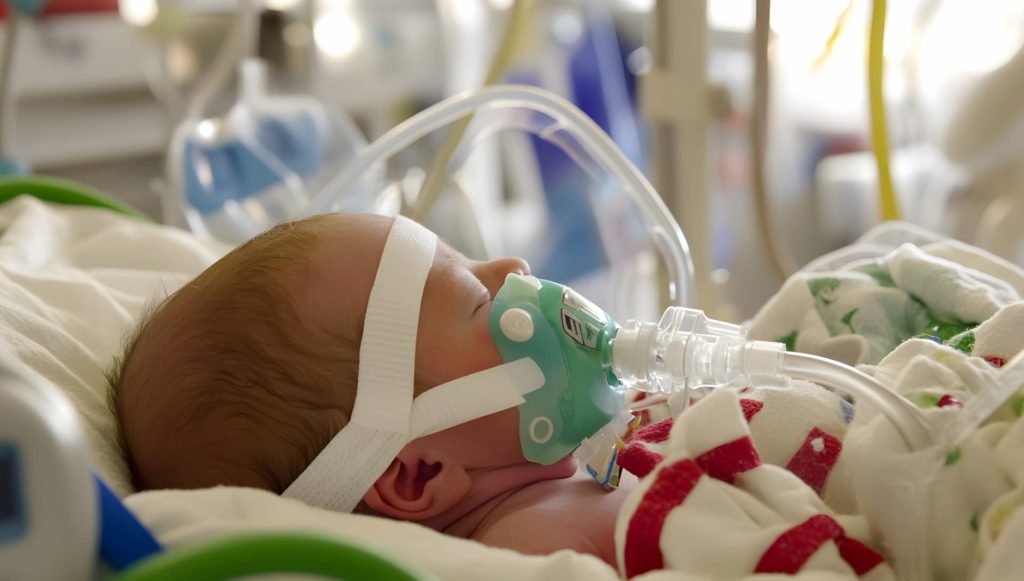
Key delivery complications: oxygen deprivation, prolonged labor, use of forceps/vacuum, emergency C-sections
Several specific complications during delivery can result in physical injury or oxygen deprivation for a newborn. These events often happen suddenly, requiring the delivery team to act swiftly and with precision. When the delivery team mishandles procedures, the baby’s health and wellbeing can be permanently compromised.
1. Oxygen Deprivation (Birth Asphyxia)
A baby’s brain and organs depend on a continuous supply of oxygen during labor and delivery. When that supply is interrupted even briefly, cells begin to die, resulting in serious neurological injury. Oxygen deprivation, also called birth asphyxia, may occur when the umbilical cord is compressed, or wrapped around the baby’s neck, or when the placenta detaches prematurely. It can also result from prolonged labor that limits blood flow between mother and baby. The consequences vary from mild developmental delays to severe conditions such as cerebral palsy, epilepsy, or cognitive impairment.
2. Prolonged or Difficult Labor
When labor extends beyond the normal range or contractions fail to progress effectively, the baby may suffer head swelling, bruising, and oxygen shortage. For the mother, extended labor increases the chance of infection, hemorrhage, or uterine rupture.
3. Use of Forceps or Vacuum Extraction
Assisted deliveries are sometimes necessary when the baby is stuck in the birth canal, the mother is exhausted, or fetal distress is detected. While forceps and vacuum extractors can be lifesaving, improper use can cause severe trauma. Forceps, which resemble large metal tongs, are designed to guide the baby’s head through the birth canal. If applied with too much force or at the wrong angle, they can cause skull fractures, facial nerve injuries, or intracranial bleeding. Vacuum extraction uses suction to assist in pulling the baby out. When excessive suction or repeated attempts are made, the result can be scalp lacerations, cephalohematomas (bleeding under the scalp), or subgaleal hemorrhage, a dangerous bleeding condition between the scalp and skull.
4. Emergency C-Sections
When labor complications threaten the baby’s life, it is often necessary for the medical professionals to perform an emergency Caesarean section (C-section). Failure to do so can prolong oxygen deprivation and increase the likelihood of injury. Hasty and otherwise incompetently performed C-sections can also lead to complications such as surgical injury to the baby, infection, or respiratory distress.
Difference between physical trauma vs. emotional trauma at birth
Physical birth trauma refers to any injury sustained to the baby’s or mother’s body during delivery. These injuries may be visible, such as bruising, lacerations, or swelling for both baby and mother. Some injuries may be internal, such as brain hemorrhages or nerve damage for the baby, or internal bleeding for the mother. The impact can range from temporary discomfort to lifelong disability.
Emotional trauma at birth occurs when the infant experiences distress during or after delivery that affects bonding, stress regulation, or later emotional development. Research shows that severe pain, separation from the mother after birth, or prolonged medical interventions can alter how a newborn’s nervous system responds to stress.
Emotional trauma can also affect the mother, who may develop anxiety, depression, or post-traumatic stress symptoms following a difficult or injurious birth. These emotional wounds can interfere with bonding and caregiving, compounding the effects on the infant’s development.
Immediate Effects on Newborns
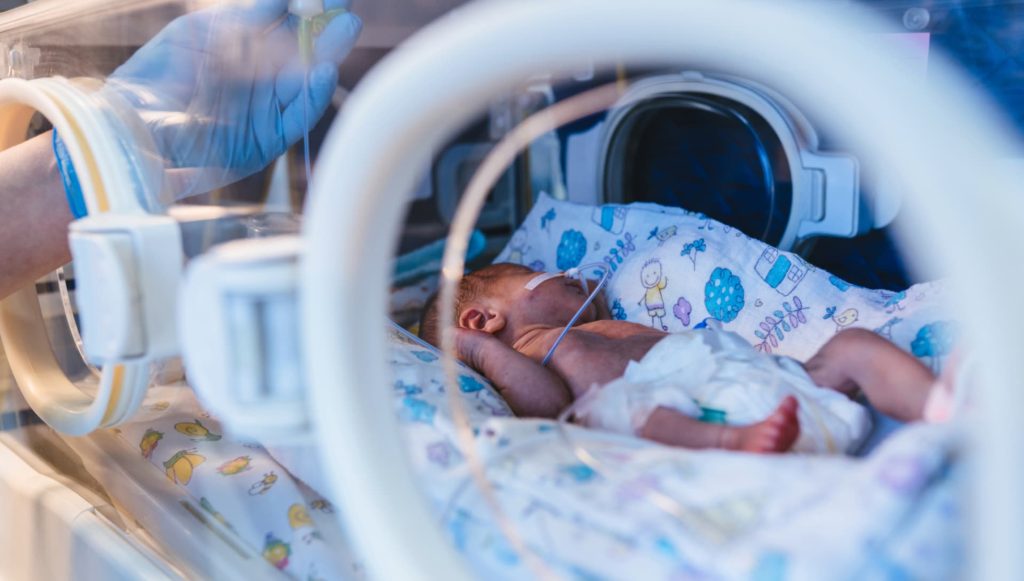
While some infants recover quickly, others require intensive medical care to survive and stabilize.
Physical Injuries: Fractures, Bruises, Nerve Damage, and Brain Injury
Inappropriate pressure or manipulation during delivery can cause harm to an infant’s body. The most common physical injuries seen in traumatic births include bone fractures, bruises, nerve injuries, and brain-related trauma.
Fractures
Sometimes, after a baby’s head emerges from the vaginal canal, one of the baby’s shoulders can get stuck behind the mother’s pubic bone. This condition that requires urgent medical intervention is called shoulder dystocia. In applying a little pressure, the baby’s full body can be delivered. Sometimes, however, in the application of pressure, the baby may suffer a collarbone fracture.
Bruises
Bruising is common when forceps or vacuum extractors are used. Pressure from these tools can leave visible marks on the baby’s scalp or face. In some cases, these bruises may conceal deeper damage such as cephalohematoma (bleeding between the skull and scalp) or subgaleal hemorrhage, which involves bleeding in a larger area beneath the scalp and can lead to dangerous blood loss.
Nerve Damage
Nerve injuries are among the most concerning consequences of birth trauma. One of the most well-known examples is brachial plexus injury, often occurring during shoulder dystocia, as mentioned above. The brachial plexus is a network of nerves that controls movement and sensation in the arm and hand. When the brachial plexus sustains trauma, the baby may experience weakness, paralysis, and loss of reflexes. Some of the injuries may lead to permanent disability. Facial nerve damage may also occur due to pressure from forceps or the baby’s position in the birth canal. This can lead to asymmetrical facial movement, which may affect feeding and later emotional expression.
Brain Injury
The brain is arguably the most important organ in a person’s body because it controls bodily functions as well as cognitive processing. So, brain injuries resulting from birth trauma can be devastating to the baby. Common types of brain injuries include:
Hypoxic-Ischemic Encephalopathy (HIE): HIE occurs when a baby’s brain does not receive enough blood and oxygen during birth.
Brain Swelling: Brain swelling can occur when there is a build-up of fluid in the brain, which increases intracranial pressure.
Cerebral Palsy: Cerebral Palsy (CP) is one of the most recognized birth injuries. The nomenclature derives from “cerebral” (having to do with the brain) and “palsy” (weakness or problems with muscles). Like HIE, CP can occur when the baby’s brain doesn’t receive sufficient oxygen.
Medical responses: NICU admission, breathing support, resuscitation
When an infant shows signs of distress or injury at birth, the medical team must respond immediately. The first goal is to stabilize vital functions (e.g., breathing, heart rate, and temperature) and to prevent further damage. The following are some common types of intervention.
NICU Admission
The Neonatal Intensive Care Unit (NICU) provides specialized support for babies born prematurely, under distress, or with complications. A baby admitted to the NICU after a traumatic birth may need continuous monitoring for breathing, heart rhythm, and oxygen levels, as well as intravenous fluids, antibiotics, or medications.
Breathing Support
Many babies affected by birth trauma struggle to breathe on their own due to underdeveloped lungs, oxygen deprivation, or nerve injury affecting the diaphragm. The baby may need supplemental oxygen through a nasal cannula or mechanical ventilation. Some infants require continuous positive airway pressure (CPAP) to keep the airways open, while others may need intubation and a ventilator.
Resuscitation
When a newborn is delivered limp or not breathing, medical professionals should immediately begin resuscitation. The standard protocol includes clearing the airway, stimulating breathing, and, if necessary, performing chest compressions and administering oxygen. In some cases, medications like epinephrine are used to restart the heart. Every second matters in these moments, as delays can mean irreversible brain injury.
How Trauma Can Interrupt Early Bonding and Feeding
The early hours after birth are essential for skin-to-skin contact, eye contact, and the development of trust between baby and caregiver. These experiences help regulate the newborn’s heartbeat, breathing, and temperature, and they play a foundational role in emotional attachment. When a baby is whisked away to the NICU or placed under medical equipment for extended monitoring, those first bonding opportunities are delayed or lost, which can lead to emotional distress for both mother and baby.
Babies can also suffer from feeding difficulties following a traumatic birth. Babies who experience oxygen deprivation or nerve injury may have poor sucking reflexes or difficulty coordinating breathing with swallowing. These difficulties often lead to tube feeding in the NICU until the baby can feed safely on their own. Even once home, feeding can remain stressful, with some infants showing signs of oral aversion or poor weight gain.
Long-Term Developmental and Physical Consequences

The effects of a traumatic birth often extend far beyond the delivery room. While some newborns recover from early complications with little lasting harm, others face developmental, neurological, and physical challenges that unfold gradually over months and years. Birth trauma can lead to missed developmental milestones, learning difficulties, or long-term medical conditions that require ongoing care.
Delayed Motor Milestones: Crawling, Walking, and Fine Motor Skills
A hallmark of developmental delay after birth trauma is difficulty achieving age-appropriate motor milestones. Infants who experienced oxygen deprivation, nerve injury, or brain damage during birth may show weaker muscle tone, poor coordination, or asymmetrical movement patterns.
Gross motor delays, such as late crawling or walking, are often among the first signs that something is wrong. Parents may notice that their baby is slow to lift their head, roll over, or sit without support. Some babies exhibit unusual movement patterns, such as dragging one leg while crawling, walking on tiptoes, or favoring one side of the body. These signs can indicate weakness or spasticity associated with conditions like cerebral palsy or peripheral nerve injury.
Fine motor delays involve challenges with smaller, more precise movements. Babies might struggle to grasp toys, pass objects between hands, or use their fingers to feed themselves. Fine motor skills rely heavily on coordination between the brain, nerves, and muscles. Any disruption along that pathway, whether from brain injury or localized nerve trauma, can slow progress.
Potential Lifelong Conditions: Cerebral Palsy, Seizures, and Sensory Impairments
Birth trauma can cause or contribute to a range of lifelong neurological and physical conditions. Among the most serious are cerebral palsy, seizure disorders, and sensory impairments affecting hearing or vision.
Cerebral Palsy (CP)
Cerebral palsy, as referenced above, is one of the most well-documented outcomes of birth-related brain injury. It results from damage to the areas of the brain that control movement and muscle coordination, often due to oxygen deprivation or bleeding during delivery. Children with CP may have muscle stiffness (spasticity), involuntary movements, or problems with balance and posture. The condition can affect one limb, one side of the body, or all four limbs, depending on which part of the brain was injured.
Seizure Disorders and Epilepsy
Brain trauma and oxygen deprivation during birth can lead to recurrent seizures or epilepsy. In some infants, seizures appear within hours or days of delivery, while in others, the condition develops months later. Seizures can range from subtle staring spells to full-body convulsions and may interfere with attention, sleep, and learning. Ongoing neurological monitoring and medication are often needed to manage these episodes. In severe cases, uncontrolled seizures can contribute to further brain injury or developmental regression.
Sensory Impairments: Vision and Hearing Loss
The sensory systems are especially vulnerable to perinatal injury. Oxygen deprivation, intracranial bleeding, or damage to the optic or auditory nerves can lead to vision or hearing impairment. Some babies may show immediate signs, such as lack of eye contact or unresponsiveness to sound, while others exhibit subtle delays in tracking, responding to voices, or learning to speak. Visual and auditory impairments can deeply influence a child’s cognitive and social development. For example, a baby who cannot see faces or hear words may miss vital cues for communication and bonding.
Cognitive Challenges: Slower Learning, Memory Problems, and Attention Difficulties
Beyond physical symptoms, birth trauma can have profound effects on a child’s cognitive and intellectual growth. Brain injury, even when mild, can disrupt neural connections essential for attention, memory, and problem-solving.
Slower Learning
Children who experienced birth-related brain injury may learn new skills more slowly than their peers. They might struggle to understand instructions, adapt to new situations, or retain information after a lesson. In academic settings, this can translate into lower performance in reading, writing, or math.
Memory Problems
Short-term memory deficits are another common outcome of perinatal brain injury. Affected children may forget recent conversations, lose track of tasks, or have difficulty recalling what they learned in class.
Attention Difficulties
Attention-deficit and executive functioning problems frequently appear in children who suffered hypoxia or brain trauma during birth. They may have trouble focusing, regulating emotions, or switching between tasks.
Emotional and Behavioral Outcomes

No less profound than the physical injuries discussed above, birth trauma can lead to negative emotional and behavioral outcomes as well. From the earliest days of life, babies who experienced distress during delivery may show subtle but persistent differences in how they regulate emotions, respond to caregivers, and adapt to the world around them. These challenges can evolve over time, influencing not only the child’s mental health but also their relationships and social development.
Early Signs: Excessive Crying, Difficulty Sleeping, and Feeding Issues
While occasional fussiness, irregular sleep, or feeding difficulties are normal, persistent problems may signal deeper stress or discomfort rooted in birth trauma.
Excessive Crying
Some newborns who experienced traumatic deliveries are notably difficult to soothe. They may cry for long periods, startle easily, or seem hypersensitive to light, sound, or touch. This heightened reactivity can be a sign that the baby’s nervous system remains on high alert, a physiological response linked to early stress or pain. These infants may arch their backs when held or resist cuddling, which impedes the important bonding process with caregivers.
Difficulty Sleeping
Trauma can disrupt the infant’s ability to develop normal sleep–wake cycles. Babies may wake frequently, sleep in short bursts, or struggle to settle even when tired. Over time, disrupted sleep patterns can also interfere with brain development and self-regulation.
Feeding Issues
Feeding is one of the most intimate and essential interactions between a parent and baby, yet it is often compromised after a traumatic birth. Babies who endured oxygen deprivation, nerve injury, or separation in the NICU may have weak sucking reflexes, difficulty latching, or aversion to oral stimulation. Some cry or turn away during feeding, which can be misinterpreted as defiance or pickiness but is often rooted in stress or discomfort.
Later Impacts: Anxiety, Mood Regulation Problems, and PTSD-like Responses
As children grow, the effects of early trauma can resurface in new forms. What began as excessive crying or feeding issues may develop into anxiety, mood swings, or behaviors resembling post-traumatic stress responses. These symptoms do not always appear immediately; sometimes they emerge in preschool or elementary years when emotional regulation and social demands increase.
Anxiety
Children who experienced distress at birth or early medical interventions often show signs of chronic anxiety. They may be unusually cautious, fearful of new environments, or resistant to separation from caregivers. Some develop physical symptoms, such as stomachaches, headaches, or shortness of breath, during stressful situations. This constant sense of alertness stems from a nervous system that learned early on to expect danger.
Mood Regulation Problems
Early trauma can also interfere with the development of self-soothing and emotional regulation skills. Some children exhibit rapid mood swings, irritability, or outbursts that seem to come without warning. Others withdraw and show flat or blunted emotional responses.
PTSD-like Responses
While post-traumatic stress disorder (PTSD) is rarely diagnosed in infants, older children who experienced birth trauma, particularly those who spent time in the NICU or underwent invasive medical procedures, can show PTSD-like symptoms. These may include flashbacks, nightmares, avoidance of medical settings, and exaggerated startle responses. Medical triggers such as hospital smells or sounds can provoke intense distress, even if the child cannot articulate why.
Social Effects: Difficulty with Trust, Attachment, and Social Play
Emotional and behavioral outcomes from birth trauma do not exist in isolation. They affect how a child relates to others. Because the first bond between parent and infant forms the foundation for later relationships, disruptions in early attachment can lead to social difficulties throughout childhood.
Trust
A baby needs to trust that their caretaker can be relied upon to give them what they need. They need to believe that their parent and other adults will not harm them. When the baby’s first moments in life involve being harmed by the actions or omissions of an adult, the baby may not feel safe among adults.
Attachment
Attachment is a deep emotional bond between baby and parent. Attachment forms when their caregivers consistently fill the baby’s physical and emotional needs. When a baby spends days or weeks in intensive care, separated from their parents, the normal cycle of comfort and reassurance is interrupted.
Social Play
As children grow, the effects of early attachment disruption may become visible in how they interact with peers. Some children have trouble joining group play or sharing toys, preferring solitary activities where they feel more in control. Others may misread social cues, becoming overly intense or withdrawn. These patterns are often rooted in difficulty interpreting emotional signals, a skill that typically develops through early bonding experiences. In preschool and elementary school, children with unresolved birth trauma may struggle with cooperation, empathy, and trust.
Parent–Baby Relationship After a Traumatic Birth
The parent–baby relationship is at the heart of early development. In the first months of life, a newborn depends on consistent comfort, physical closeness, and emotional attunement to form a sense of safety in the world. When birth is traumatic, these delicate beginnings can be disrupted.
How Birth Trauma Affects Bonding and Attachment
Bonding typically begins in the first hours after delivery. Skin-to-skin contact, breastfeeding, and shared eye contact stimulate the release of oxytocin (a hormone that promotes calm, trust, and emotional connection). However, when a baby requires immediate medical care, such as NICU admission or emergency resuscitation, these moments are often delayed or missed entirely. Attachment, as described above, can also be compromised as the parent is unable to consistently fill the baby’s emotional and physical needs.
Parent Mental Health: Postpartum Depression, Anxiety, and PTSD
The emotional toll of a traumatic birth on parents cannot be overstated, and the emotional scars that parents may experience can be everlasting.
Postpartum Depression (PPD)
Postpartum depression is a type of depression that begins after birth and is marked by strong feelings of sadness, anxiety, and fatigue. After a traumatic birth, the risk of postpartum depression increases significantly. Parents may feel persistent sadness, emptiness, or a sense of emotional numbness. They may struggle to connect with their baby, experience guilt about what happened, or believe they somehow caused the trauma. These feelings can be intensified by sleep deprivation and the stress of caring for a medically fragile infant. PPD not only affects the parent’s well-being but also disrupts bonding, as a depressed caregiver may have difficulty providing consistent emotional warmth and responsiveness.
Anxiety
After birth trauma, many parents may be anxious that the baby will stop breathing, that a medical issue has been overlooked, or that another crisis is imminent. They become hypervigilant and check on the baby excessively or hesitate to let others hold them. Such behaviors can strain relationships, disrupt family routines, and heighten the parent’s own exhaustion and stress.
Post-Traumatic Stress Disorder (PTSD)
Some parents develop full or partial PTSD following a traumatic birth. They may experience flashbacks to distressing moments, nightmares, intrusive memories, and feelings of detachment. A parent reliving trauma may react with sudden outbursts of anger or tears, while a parent who is dissociating under stress may appear distant or emotionally flat. These PTSD responses can confuse the baby and further hinder bonding.
Cyclical Effect: How Parental Trauma Responses Can Reinforce a Baby’s Struggles
The relationship between parent and baby is dynamic and reciprocal. Just as the baby depends on the parent for emotional regulation, the parent’s state of mind is shaped by the baby’s cues and reactions. As described above, a parent suffering from PPD may not provide physical or emotional comfort to the baby when the baby needs it and, by withholding that comfort, the parent is teaching the baby that the parent cannot be trusted to provide for the baby’s needs. This cycle compromises the ability of parents and babies to bond and form essential emotional attachment.
Warning Signs Parents Should Monitor
While every baby grows at their own pace, persistent or pronounced physical, behavioral, or social differences may signal that the newborn is struggling to recover from the effects of birth trauma. The following signs can help parents know when it is appropriate to seek professional guidance.
Physical indicators: unusual muscle tone, delayed milestones, feeding/breathing issues
Birth trauma can leave behind subtle or visible signs that something in the baby’s physical development needs attention.
Unusual Muscle Tone
Healthy infants should move fluidly and symmetrically. If a baby seems unusually stiff or floppy, it may reflect an imbalance in muscle tone, a sign that the nervous system has been compromised. A baby with high muscle tone (hypertonia) might keep limbs rigid or arch their back when picked up. Conversely, low muscle tone (hypotonia) can make the baby feel limp, with difficulty lifting the head or maintaining posture. Either condition may result from oxygen deprivation, nerve injury, or brain trauma during birth.
Delayed Milestones
Tracking developmental milestones such as rolling over, reaching for objects, crawling, and walking can reveal much about how a child’s body and brain are developing. Babies who experienced trauma may have trouble grasping toys, bearing weight on their legs, or coordinating movements. Parents should also watch for asymmetry (favoring one side of the body, dragging a leg, or using one arm less than the other) as these could indicate nerve damage or weakness from a brachial plexus injury or mild cerebral palsy.
Feeding/breathing Issues
Babies who experienced oxygen deprivation or brain injury may have trouble coordinating the sucking, swallowing, and breathing needed for smooth feeding. Signs such as gagging, choking, coughing during feeds, or frequent spitting up may indicate swallowing issues or poor oral motor control. Likewise, labored or irregular breathing, especially if accompanied by bluish skin or pauses in breath, requires immediate medical attention.
Behavioral signs: excessive fussiness, regression, difficulty calming
A baby’s behavior provides important insight into their comfort, sensory processing, and emotional regulation. While some fussiness and crying are normal, extreme or persistent distress can signal deeper issues.
Excessive Fussiness
Newborns cry to communicate needs, but babies recovering from trauma may cry for extended periods, appear difficult to soothe, or react with intense distress to sounds or touch. This could reflect pain, sensory sensitivity, or heightened stress responses linked to early medical interventions. Such babies might also resist being held or have erratic sleep patterns.
Regression
If a baby who previously met milestones begins to lose abilities, such as no longer rolling, reaching, or making cooing sounds, this may be a warning sign. Regression can indicate emerging neurological issues, seizures, or other complications requiring specialist evaluation.
Difficulty Calming
Some babies struggle to settle even when all basic needs are met. They might flail, arch their back, or stiffen when being soothed. This could stem from an overstimulated nervous system or disrupted early bonding experiences.
Social/cognitive delays: speech problems, poor focus, lack of interaction
As babies grow, their interactions and curiosity become key indicators of cognitive and emotional development.
Speech Problems
By around six months, most babies begin to babble and respond to voices with expressive sounds. If a baby remains unusually quiet, shows limited interest in vocalizing, or fails to respond to their name or familiar voices, it may suggest delayed language development or hearing impairment. These can result from oxygen deprivation or sensory processing issues.
Poor Focus
Babies who experienced trauma may appear disengaged by, for example, staring into space, avoiding eye contact, or losing interest in toys and people. This reduced focus can stem from neurological injury, overstimulation, or stress. In older infants and toddlers, difficulty maintaining attention or following simple instructions can hint at underlying cognitive or sensory challenges.
Lack of interaction
Social play is vital for developing trust and learning emotional cues. Babies recovering from trauma may seem wary or unresponsive to caregivers’ smiles or touch. As they grow, they might prefer solitary play or struggle to connect with peers. This pattern can signal attachment difficulties or developmental disorders requiring targeted intervention.
When to Seek Pediatric or Specialist Evaluation
Pediatricians generally recommend evaluation when a baby:
- Misses major developmental milestones (such as rolling by six months or sitting by nine months).
- Shows consistent asymmetry in movement or muscle tone.
- Has persistent feeding or breathing difficulties.
- Displays unexplained irritability, lethargy, or regression.
- Shows limited eye contact or social responsiveness by six to nine months.
A pediatrician may refer the baby to specialists such as a neurologist, physical or occupational therapist, speech-language pathologist, or developmental pediatrician. Early intervention programs, often available through state or community health services, may also help the child improve.
Legal Implications When Trauma Is Linked to Negligence
Understanding how the law defines medical malpractice in birth injury cases is crucial for families who suspect negligence may have played a role in their child’s condition.
How Medical Malpractice Is Defined in Birth Injury Cases
Medical malpractice occurs when a healthcare provider fails to meet the accepted standard of care, resulting in harm to a patient. In birth injury cases, the “patient” may be the mother, the baby, or both. The standard of care refers to the level and type of care that a reasonably skilled and competent provider would have given under similar circumstances.
Evidence needed: delivery records, fetal monitoring, surgical notes, expert review
Birth injury claims rely heavily on detailed medical evidence. Because childbirth involves many moving parts, building a case requires reviewing every relevant record to trace exactly what happened and when. The following types of evidence are central to evaluating whether malpractice occurred:
1. Delivery Records
These documents provide a chronological account of labor and delivery, including maternal vital signs, medications given, progress notes, and the timing of critical interventions. Discrepancies or gaps in charting can suggest delayed or improper responses.
2. Fetal Monitoring
Electronic fetal monitoring records track the baby’s heart rate during labor. Patterns showing prolonged decelerations or loss of variability can indicate that the baby was in distress and not receiving enough oxygen. Reviewing these strips helps determine whether medical staff recognized and addressed these warning signs appropriately.
3. Surgical Notes
For C-sections or assisted deliveries, surgical reports reveal how the procedure was conducted, whether any complications occurred, and how quickly the medical team acted. Anesthesia records can show whether medications were properly administered and monitored.
5. Expert Review
Because medicine is complex, the law requires expert witnesses to interpret evidence and explain whether the care provided met accepted standards. An expert reviews the medical records and provides an opinion on whether negligence occurred and how it caused the baby’s injuries.
Who can file a claim and typical timelines for doing so
In most jurisdictions, parents or legal guardians can file a malpractice claim on behalf of their injured child. These cases are typically brought against the responsible healthcare providers and, in some cases, the hospital or medical facility itself. Each state sets its own statute of limitations, which is the legal time frame in which a claim must be filed. For birth injury cases, this period often ranges from two to three years after the injury is discovered, but many states make exceptions for minors. Some allow claims to be filed several years after birth, recognizing that certain developmental issues, such as cognitive delays or motor impairments, may not become apparent until later in childhood. In some states, the child who suffered a birth injury may have until their 20th birthday to file a claim.
Clearly, timelines can vary; they may include exceptions for concealed records or late discovery; and while a child’s claims may be preserved for several years, a parent’s claim may not. Thus, it’s essential for a parent to consult an attorney experienced in birth injury law as soon as they suspect negligence.
Types of damages: medical costs, therapy, long-term care, pain and suffering
When negligence leads to a traumatic birth injury, the resulting financial and emotional costs can be overwhelming. Compensation for damages is intended to help families cover the lifelong expenses associated with their child’s care and to acknowledge the pain and suffering they endured. The main categories of damages include:
1. Medical Costs
These cover immediate and future medical expenses, including hospitalizations, surgeries, rehabilitation, medication, and ongoing specialist visits.
2. Therapy
Children with developmental or neurological challenges often require physical therapy, occupational therapy, speech therapy, and behavioral interventions. Compensation can include these ongoing treatment costs, as well as adaptive equipment such as wheelchairs, communication devices, or home modifications.
3. Long-Term Care
Some birth injuries leave permanent disabilities that require full-time or assisted care. Damages may include the projected cost of caregivers, residential treatment, and special education.
4. Pain and Suffering
While no amount of money can undo the trauma, courts recognize the emotional and physical suffering caused to both the child and parents. This includes loss of quality of life, mental anguish, and the daily challenges of managing disability.
Treatment, Therapy, and Support Options
When a baby sustains injuries or developmental challenges due to complications during delivery, parents are often thrust into a new and unfamiliar world of medical care, therapy, and emotional adjustment.
Medical interventions: pediatric specialists, physical and occupational therapy
The first step after a traumatic birth injury is establishing a strong medical care team.
Pediatric Specialists
If a baby has experienced oxygen deprivation, seizures, or signs of brain injury, a pediatric neurologist will assess how the injury has affected the nervous system. This specialist may order imaging studies, such as MRI or CT scans, and coordinate follow-up care to monitor the child’s motor and cognitive development. Neonatologists, who specialize in newborn intensive care, help stabilize the infant immediately after birth and oversee the transition to home care once the baby’s condition improves.
Physical and Occupational Therapy
Physical therapy (PT) focuses on helping babies build strength, coordination, and muscle control. Therapists use gentle stretching, guided movement, and sensory activities to improve posture and promote symmetrical motor development. For babies with muscle weakness, joint stiffness, or cerebral palsy, early PT can prevent complications and encourage more natural movement patterns.
Occupational therapy (OT) supports fine motor skills and sensory regulation. An occupational therapist may help a baby learn to grasp objects, reach for toys, or tolerate different textures. As the child grows, OT can address challenges with coordination, feeding, and self-care, helping to build independence and confidence.
Developmental support: speech therapy, early intervention programs
The following are examples of developmental support the baby may need.
Speech Therapy
Speech therapy begins with helping infants develop the foundational skills for communication. Babies who struggle to feed, swallow, or coordinate breathing may benefit from early oral–motor therapy. As children grow, speech–language pathologists work on articulation, comprehension, and social communication. For children with sensory or neurological challenges, therapy may also target the ability to interpret tone, facial expressions, and social cues, which are essential for emotional connection and learning.
Early Intervention Programs
Most states offer publicly funded early intervention programs for children under age three who show signs of developmental delay or medical conditions linked to disability. These programs typically provide in-home or clinic-based therapies, including PT, OT, and speech therapy, often at low or no cost to families.
Emotional and Mental Health Care for Both Baby and Parents
Healing requires attention not only to medical and developmental needs but also to the psychological well-being of parents and child alike.
Mental Health Support for Parents
Parents often carry lingering fear, guilt, or anxiety after a traumatic delivery. Therapy can help parents process what happened and rebuild trust in their caregiving abilities. Couples counseling may also be beneficial for partners whose union has been strained by a difference in grieving or communication breakdowns. Therapists specifically trained in perinatal mental health can help both partners align their experiences and strengthen their partnership as they navigate recovery together.
Infant Mental Health and Emotional Regulation
Even infants can benefit from therapeutic interventions that promote emotional security and attachment. Infant–parent psychotherapy or dyadic therapy focuses on rebuilding trust between parent and child through guided interactions. Therapists help parents interpret their baby’s cues, respond calmly to distress, and create nurturing experiences that counteract early medical trauma. For toddlers and young children showing signs of anxiety, irritability, or sensory sensitivity, child psychologists or play therapists may use gentle, developmentally appropriate methods to help them express feelings and regulate emotions.
Community Resources and Peer Support Groups
No family should have to navigate the aftermath of birth trauma alone.
Many hospitals offer follow-up programs for families of NICU graduates or children with birth-related injuries. These may include developmental clinics, social work services, and parent education workshops that teach coping strategies and connect families with specialists. Parents may also find comfort and community in local and online peer groups that provide spaces where parents can share experiences, frustrations, and victories without fear of judgment. For many parents, connecting with others who understand their journey provides a powerful sense of relief and belonging.
FAQs Families Commonly Ask
Is every difficult birth considered traumatic?
Not necessarily. A difficult or complicated birth, such as one involving a long labor, C-section, or the use of forceps or vacuum extraction, does not automatically mean the experience was traumatic. A birth becomes “traumatic” when either the baby or parent experiences significant physical harm or psychological distress because of what occurred.
How soon do developmental issues appear?
Some developmental differences are apparent within weeks or months, while others emerge as the baby grows and faces new milestones. Early indicators can include difficulty with feeding, excessive stiffness or floppiness, lack of eye contact, or delayed motor skills such as rolling, sitting, or crawling. Pediatricians typically monitor these milestones during well-baby visits, and if concerns arise, they may refer families for early developmental assessments or therapy. However, certain challenges (such as language delays, learning differences, or subtle cognitive effects) might not become evident until preschool or early school years.
What therapies have the most impact if started early?
Early intervention is one of the most powerful predictors of long-term success. The earlier a baby begins therapy, the greater the brain’s ability to adapt and form new pathways for learning and movement. Therapies shown to have the strongest impact include Physical Therapy (PT), Occupational Therapy (OT), Speech and Feeding Therapy, and Early Intervention Programs.
Moving Forward: Healing and Justice
Healing from birth trauma is not only about recovery, but also about ensuring justice, accountability, and hope for others who might face similar experiences.
Why Early Recognition and Treatment Matter
When birth-related complications such as oxygen deprivation, nerve injury, or muscle weakness are detected quickly, medical teams can begin therapies that prevent secondary problems from developing. Early support does more than protect physical health. It strengthens emotional and social outcomes as well. Babies who receive consistent medical and developmental care are better able to form secure attachments and meet cognitive milestones. For parents, early guidance provides reassurance, a clearer understanding of what to expect, and the confidence to take an active role in their child’s recovery.
Steps Families Can Take to Protect Their Baby’s Future Health
Parents play a central role in both recovery and advocacy. After a traumatic birth, taking organized and informed steps can make a tremendous difference in the baby’s long-term wellbeing:
- Stay connected with healthcare providers. Keep regular appointments with pediatricians, neurologists, and developmental specialists.
- Document everything. Families should maintain copies of medical records, therapy notes, and developmental assessments.
- Engage in early intervention programs.
- Prioritize mental health and self-care. Counseling, support groups, and mindfulness practices help families manage stress and maintain resilience through long-term care routines.
- Build a team approach. A coordinated plan with doctors, therapists, and family members gives the baby the best chance to reach their full potential.
When to Seek Legal Help to Cover Medical and Long-Term Needs
Sometimes, the trauma a baby experiences at birth can be traced to medical negligence, a preventable mistake during pregnancy, labor, or delivery. In these cases, legal action can help families secure the financial resources necessary for ongoing care. A qualified attorney can review medical records, fetal monitoring data, surgical notes, and expert evaluations to determine whether negligence contributed to the injury.
Broader importance: accountability and better obstetric care for others
Pursuing justice in a birth trauma case is about more than individual compensation. It is also about preventing future harm. When hospitals and healthcare providers are held accountable for mistakes, it drives improvements in obstetric training, monitoring systems, and patient safety standards. Families who step forward not only protect their own children but also help create systemic change that safeguards other mothers and babies. At the same time, awareness of birth trauma helps reduce the stigma and silence that often surround these experiences. Open discussions encourage hospitals to provide better emotional support for parents, integrate trauma-informed care, and recognize that recovery involves both body and mind.